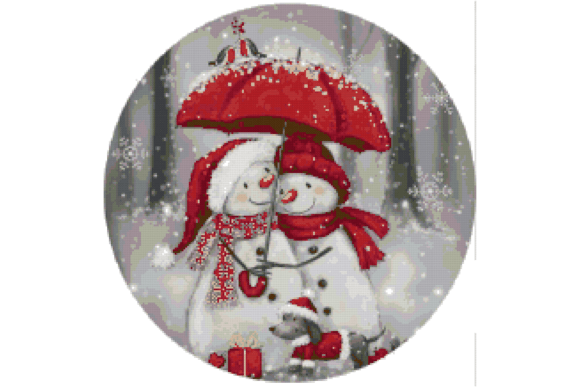
Christmas Counted Cross Stitch Patterns for Apparel
As an embroidery designer constantly scouting for fresh aesthetics for boutique apparel, I often find myself looking beyond standard machine digitized files. There is a distinct charm in adapting traditional needlework for modern garments, and the Christmas Counted Cross Stitch Patterns available on Creative Fabrica offer a unique opportunity to bridge that gap. When planning a seasonal sweatshirt or hoodie collection, these charts provide a nostalgic, handcrafted visual personality that stands out against mass-produced holiday merchandise. However, translating counted thread designs onto stretchy apparel fabrics requires careful consideration of both the source material and the execution method.
Evaluating Visual Personality for Boutique Collections
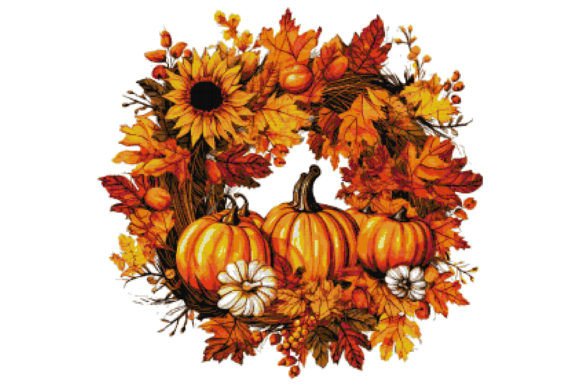
The first impression of these Cross Stitch Patterns is one of classic warmth and structured nostalgia. Unlike fluid script fonts or complex shaded machine embroidery designs, counted cross stitch possesses a pixelated, geometric clarity that reads exceptionally well from a distance. For a small clothing brand or Etsy seller, this aesthetic signals "handmade" and "intentional." The designs feel rustic yet refined, making them ideal for neutral sweatshirts, oatmeal-colored hoodies, and vintage-wash denim jackets. They avoid the overly shiny or synthetic look that can sometimes plague commercial holiday apparel, offering instead a matte, textured appearance that aligns perfectly with current slow-fashion trends.
When reviewing these graphics for a capsule collection, I look for versatility. These patterns possess a decorative strength that works equally well as a bold center chest piece on an oversized garment or as a subtle cuff accent on a cozy seasonal outfit. The grid-based nature of the design allows for easy color swapping, meaning you can adapt the same chart for pastel hoodies, dark apparel, or earth-tone tote bags simply by adjusting your thread colors. This flexibility is crucial for maintaining visual consistency across a product line while minimizing digitizing time.
Translating PDF Charts to Machine Embroidery Files
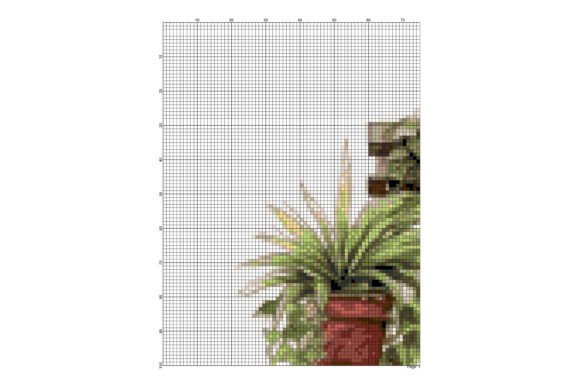
It is vital to understand exactly what you are purchasing before integrating this into your production workflow. This is not a kit. No floss or fabric are included. Purchase to download PDF chart patterns only. For apparel decorators and digital sellers, this means these are not ready-to-stitch machine embroidery files. Instead, they serve as high-quality blueprints. The product features large, easy-to-read charts that do not require enlargement, which is a significant advantage when manually digitizing or using cross-stitch conversion software.
Because these are charted for 14-count fabric, the scale is naturally suited for apparel. A 14-count grid translates beautifully to medium-weight sweatshirt fleece and cotton jersey without becoming too dense or heavy. When creating your own embroidery file from these PDFs, you have total control over the final stitch density. This is where professional judgment comes in; you can adjust the underlay and pull compensation specifically for the garment type, ensuring the design remains soft and wearable rather than stiff and bulletproof.
Strategic Placement on Seasonal Garments
In my experience preparing holiday collections, placement dictates perceived value. These Christmas Counted Cross Stitch Patterns excel in specific zones:
- Sweatshirt Center Chest: The structured geometry anchors the garment visually. Ensure the design is centered relative to the neckline, not just the fabric width, to account for seam allowances.
- Hoodie Pocket Accents: Smaller motifs from the set work beautifully above kangaroo pockets. This adds a premium detail that encourages closer inspection and higher price points.
- Sleeve Cuffs and Hems: Repeating border elements from the charts create a cohesive custom apparel look that feels like high-end boutique merchandise.
- Tote Bag Panels: Since totes are non-stretch, they are the safest canvas for direct translation of 14-count charts, serving as excellent lifestyle product photos for social media graphics.
For Etsy listings and printable mockups, the clean lines of cross stitch render crisply even in digital previews. Buyers can instantly recognize the pattern style, which aids in product recognition and buyer trust. The graphic nature of these designs photographs well, reducing the need for extensive post-production editing on shop images.
Technical Considerations for Stretchy Fabrics
While the aesthetic is perfect for apparel, the physics of stitching counted designs on knits demands respect. Where you must use caution includes ribbed cuffs, curved bust areas, and lightweight t-shirts. Cross stitch is inherently rigid; if stitched too densely on a flexible base, it will cause tunneling or distortion. Always test on scrap fabric that matches your production garment weight before committing to a full run.
Stabilizer choice is non-negotiable here. For sweatshirt embroidery and hoodie designs featuring these patterns, I recommend a cut-away stabilizer with a fusible backing or temporary adhesive spray to prevent shifting. The grid structure of cross stitch makes any misalignment immediately obvious. Additionally, verify your hoop size before purchasing or digitizing. While the charts are scalable, you must ensure your machine can accommodate the final dimensions you intend to stitch. If you plan to resize significantly, recalculate the stitch count to maintain the integrity of the "X" shapes.
Enhancing Brand Value Through Design Choice
Choosing to adapt Christmas Counted Cross Stitch Patterns rather than buying generic clipart signals a commitment to craft. For handmade business owners and creative entrepreneurs, this distinction matters. It transforms a basic blank into a storytelling piece. Customers browsing for unique holiday gifts are drawn to items that evoke tradition and comfort. By utilizing these charts to create exclusive commercial embroidery products, you differentiate your shop from competitors using the same saturated market assets.
Furthermore, because you are interpreting the chart yourself (or via software), your finished product is unique. Your specific thread color palette, tension settings, and fabric texture combine to create a proprietary design. This protects your brand identity and adds intrinsic value to the garment. Just remember to review the Creative Fabrica licensing terms thoroughly to confirm your rights to sell finished apparel derived from these graphics.
Designer Notes for Production Success
Before launching your holiday line, run through this practical checklist to ensure professional presentation:
- Confirm Chart Details: Double-check the PDF resolution and symbol key. Since no physical materials are included, your digital reference must be flawless.
- Test Thread Contrast: Cross stitch relies on color separation. Test your chosen thread colors against dark apparel and light fleece alike. Low contrast kills the pixel effect.
- Inspect Stitch Density: After digitizing, simulate the design. If the coverage exceeds 0.8mm per stitch on knit fabric, reduce density or increase spacing to preserve drape.
- Validate Hoop Compatibility: Measure the physical garment area. A design that looks great on screen may overlap seams or zippers on an actual hoodie.
- Check Licensing: Verify that the specific license covers commercial sale of embroidered goods. Documentation protects your small shop product long-term.
Ultimately, these Christmas Counted Cross Stitch Patterns represent more than just seasonal graphics; they are a foundation for building a textured, nostalgic apparel collection. By treating the PDF charts as a premium design resource rather than a simple download, and by applying rigorous technical standards during the digitizing and stitching process, you can create boutique-quality garments that resonate deeply with holiday shoppers. Whether for a cozy sweatshirt drop or a curated gift guide, the deliberate adaptation of counted thread art brings a level of sophistication and warmth that defines successful handmade brands.