Aztec Ethnic Jute Embroidery Patterns Review
As an Etsy seller and small business owner constantly scouting for fresh inventory, I approach every new design pack with a critical eye. When browsing Creative Fabrica embroidery assets, I am not just looking for pretty pictures; I am evaluating commercial viability, production efficiency, and customer appeal. The Aztec Ethnic Jute Embroidery Patterns collection immediately caught my attention as a potential staple for rustic and bohemian product lines. Before adding these graphics to my shop’s repertoire, I conducted a thorough evaluation of how these seamless patterns translate from digital files to profitable handmade products.
Evaluating the Aesthetic for Commercial Products
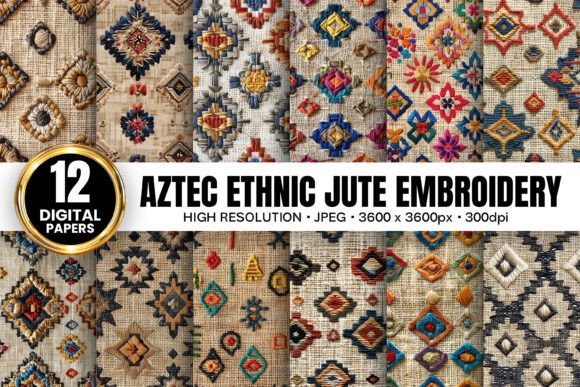
The first question I always ask is whether a design fits current market trends while retaining timeless appeal. These Aztec Ethnic Jute Embroidery Patterns strike a distinct balance between bold ethnic geometry and organic texture. The "jute" descriptor suggests a natural, fibrous aesthetic that is incredibly popular in the sustainable and cottagecore niches. Unlike overly cutesy or hyper-modern designs, this collection feels grounded, rustic, and premium.
For a craft business, this visual personality is versatile. It does not scream "seasonal," which means it can generate sales year-round. The aesthetic is mature enough for high-end home decor yet accessible enough for everyday custom apparel. When I look at these graphics, I see immediate potential for customers who value artisanal quality over mass-produced perfection. The earthy tones and intricate repeats evoke traditional craftsmanship, making them ideal for buyers seeking authentic-feeling personalized gifts.
Best Product Applications for Etsy Sellers
Determining the right canvas for a machine embroidery design is half the battle. Based on the visual weight and style of the Aztec Ethnic Jute Embroidery Patterns, I have identified several high-potential applications for my shop:
- Tote Bag Design: This is arguably the strongest use case. Canvas and linen tote bags naturally complement the jute texture implied by the patterns. An all-over repeat or a large central motif on an unbleached cotton bag creates a boutique-ready item that photographs beautifully.
- Kitchen Towel Embroidery: Rustic kitchen textiles are evergreen sellers. These patterns offer enough detail to look expensive but enough negative space (depending on the specific file) to keep stitch counts reasonable for lower-priced items.
- Sweatshirt Embroidery: For custom apparel, placing these ethnic motifs on cream, terracotta, or olive sweatshirts taps into the trending boho-fashion market. The design adds perceived value to basic blanks.
- Baby Embroidery: While bold, the geometric nature works well for nursery decor when stitched in softer thread colors. Blankets and crib sheets featuring these seamless patterns can stand out against generic pastel options.
- Embroidered Patch Creation: Because these are seamless patterns, they are excellent for creating custom patches. You can isolate specific elements to create unique badges for denim jackets or caps.
Enhancing Buyer Value and Shop Perception
In the competitive landscape of Etsy and craft fairs, presentation dictates price. Using high-quality graphics like the Aztec Ethnic Jute Embroidery Patterns elevates the perceived professionalism of a finished product. Shoppers are drawn to listings that look cohesive and intentional. The intricate nature of these ethnic designs signals to the buyer that significant time and skill went into the creation, justifying a higher price point than simple text-based embroidery.
Furthermore, these patterns support better marketing assets. Because the designs are visually rich, they serve as excellent backgrounds for printable mockups. If you sell digital embroidery files yourself, using these high-resolution papers as listing backgrounds can increase click-through rates. Even for physical goods, photographing a textured Aztec pattern on natural fabric creates depth and shadow in product photos, making your social media previews stop the scroll. A memorable, giftable product often starts with a design that looks substantial and tactile, even through a screen.
Critical Technical Notes for Production
While the visual appeal is evident, practical execution requires caution. As experienced sellers know, what looks good on a monitor must also run smoothly on an embroidery machine. It is vital to note that the product description for Aztec Ethnic Jute Embroidery Patterns specifies 12 High-Resolution Digital Papers in JPG format at 300 DPI. This indicates these are graphic source files rather than pre-digitized stitch files.
This distinction matters immensely for your workflow. You cannot simply load a JPG into your machine. These graphics are intended to be used as templates for digitizing or as sublimation/DTF bases. If you plan to use them for machine embroidery, you must either digitize them yourself or hire a professional digitizer to convert the artwork into a PES, DST, or JEF embroidery file. Always confirm the exact file types included on the Creative Fabrica product page before purchasing to ensure they match your technical capabilities.
Digitizing and Stitch-Out Considerations
If you are converting these graphics into a digital embroidery file, keep the following technical factors in mind to ensure a premium result:
- Stitch Density and Texture: Replicating a "jute" look requires specialized digitizing techniques. Standard satin stitches will look too shiny and synthetic. You may need to use running stitches, bean stitches, or specialized texture fills to mimic the matte, fibrous appearance of the original graphic.
- Hoop Size Planning: Seamless patterns allow for flexibility, but you must decide on a maximum hoop size before digitizing. Larger hoops mean fewer re-hoops for tote bags but higher stabilizer costs. Test smaller sections first to gauge stability.
- Stabilizer Selection: Ethnic patterns with dense coverage require robust stabilization. On knit fabrics like sweatshirts, use cut-away stabilizer to prevent puckering. For woven kitchen towels, tear-away may suffice, but test wash durability first.
- Thread Colors: The digital paper may show specific shades, but thread sheen changes everything. Compare your polyester or rayon thread colors against the actual fabric you intend to use. Matte threads might suit this jute aesthetic better than high-sheen rayon.
Licensing and Business Safety
Before listing any commercial embroidery product derived from Creative Fabrica embroidery assets, reviewing the license is non-negotiable. Licenses vary by designer and subscription tier. Verify whether you have the rights to sell physical finished products, digital derivatives, or both. Some licenses restrict the number of units sold or require attribution. Protecting your shop from copyright issues is just as important as stitch quality. Always document your license terms for future reference.
Final Verdict for Small Shop Owners
The Aztec Ethnic Jute Embroidery Patterns represent a strong opportunity for sellers willing to put in the digitizing work. They are not a plug-and-play solution for beginners lacking digitizing software, but for established businesses, they offer a rich library of high-resolution source material. The aesthetic is perfectly aligned with current demands for rustic, bohemian, and artisanal goods.
I recommend this collection for sellers focusing on home decor, sustainable fashion, and personalized gifts. The versatility of seamless patterns allows for efficient scaling across different product categories, from embroidered patches to baby blankets. Just remember to treat these as premium raw materials. Create a sample stitch-out, photograph it on real fabric, and validate the market response before committing to bulk production. By respecting both the artistic integrity of the design and the technical demands of machine embroidery, you can turn these beautiful graphics into a best-selling line in your Etsy shop.