Butterfly Embroidery Seamless Patterns Review
As an embroidery designer constantly scouting for fresh aesthetics for boutique apparel, I approach every new digital asset with a critical eye. When planning a seasonal sweatshirt or hoodie collection, the difference between a generic craft project and a premium boutique brand offering often lies in the source material. Recently, I evaluated the Butterfly Embroidery Seamless Patterns available on Creative Fabrica to determine if these graphics could translate effectively into high-end custom apparel. My assessment focuses not just on the visual appeal of the digital files, but on their practical viability for sweatshirt embroidery, production workflows, and final garment presentation.
Visual Personality and Design Aesthetic
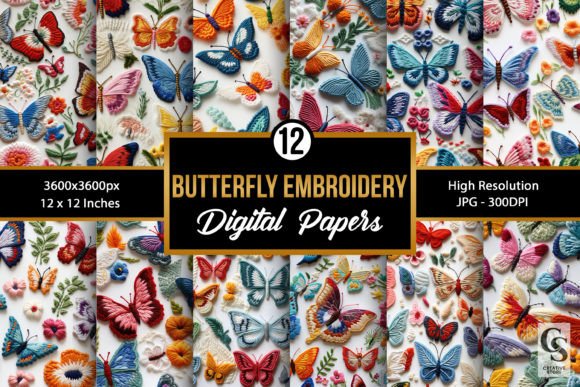
The first impression of this collection is one of versatile femininity with a touch of modern nostalgia. The 12 included designs strike a balance that is crucial for Etsy seller success; they are detailed enough to feel artisanal yet clean enough to avoid looking cluttered on fabric. Visually, these patterns possess a decorative strength that suggests movement and lightness, which is essential when working with heavier garments like fleece hoodies or French terry sweatshirts.
From a design judgment perspective, the artwork leans towards a classic, slightly rustic mood rather than hyper-realistic scientific illustration. This stylistic choice is actually advantageous for machine embroidery design adaptation. Highly photorealistic images can sometimes result in stiff, bulletproof stitching when digitized. These butterfly graphics, however, have an illustrative quality that lends itself well to various stitch types, from satin stitches for wing definition to fill stitches for body texture. The aesthetic feels premium and intentional, avoiding the "clip-art" look that can devalue a handmade product.
Application Across Apparel and Accessories
When integrating Butterfly Embroidery Seamless Patterns into a product lineup, versatility is key. Based on the 3600 x 3600 pixel resolution at 300dpi, these files offer ample data for both digital visualization and physical production planning. Here is how I envision applying these graphics across different garment types:
- Sweatshirt and Hoodie Design: The 12-inch square format is ideal for mapping out large back placements or centered chest designs. On neutral-toned sweatshirts (oatmeal, sage, or slate), these butterflies provide a soft contrast that appeals to current lifestyle fashion trends.
- Sleeve Accents: Because the patterns are seamless and high-resolution, specific elements can be isolated for smaller hoop sizes. A single butterfly motif running down a sleeve adds perceived value to a basic hoodie without increasing production time significantly.
- Tote Bags and Denim: The bold lines in these graphics suggest they would hold up beautifully on textured fabrics like canvas tote bags or denim jackets. The detail level is sufficient to remain distinct against the weave of denim, whereas finer, more delicate line art might get lost.
- Seasonal Collections: These designs bridge the gap between spring freshness and cozy autumn vibes depending on your thread colors. Using variegated threads can enhance the organic feel, while metallic threads could elevate the design for holiday boutique merchandise.
Technical Considerations for Embroidery Production
It is vital to clarify a technical distinction for fellow decorators: this product is listed as Graphics and Digital Papers in JPG format. For those seeking a ready-to-stitch digital embroidery file (such as PES, DST, or JEF), you must verify the listing details or plan to digitize these images yourself. As high-resolution source art, they are exceptional foundations for custom digitizing, but they require translation into stitch data before hitting the machine.
If you are using these as a base for creating your own embroidery file, consider the following technical factors derived from the graphic structure:
- Stitch Density Planning: The solid areas of color in these butterfly wings will require careful density management. When digitizing for fleece or ribbed fabric, reduce density slightly to prevent puckering. The high-res JPG allows you to trace accurately, ensuring your underlay supports the top stitches without overwhelming the garment.
- Hoop Size Verification: At 12 inches by 12 inches, the full pattern exceeds many standard embroidery hoops. You will likely need to resize or split the design for most commercial and home machines. Always confirm your maximum hoop size before committing to a placement.
- Fabric Texture Interaction: Test on scrap fabric that matches your production garment. The intricate wing patterns may require a water-soluble topping on fuzzy fabrics like minky or high-pile fleece to ensure the butterfly details remain crisp and visible.
- Stretch Management: Butterflies often have directional flow. When placing on a stretchy sweatshirt, align the design’s natural axis with the fabric grain to minimize distortion during wear. Use appropriate stabilizer (cut-away for knits) to maintain the integrity of the seamless pattern edges.
Elevating Brand Value and Customer Trust
In the competitive landscape of commercial embroidery and online boutiques, visual consistency builds buyer trust. Using cohesive assets like the Butterfly Embroidery Seamless Patterns helps establish a recognizable brand identity. When customers see a unified aesthetic across your printable mockup listings, social media graphics, and actual finished products, it signals professionalism.
These graphics serve a dual purpose in the business workflow. Before you even stitch a sample, the 300dpi resolution allows for the creation of high-quality marketing materials. You can overlay these patterns onto digital garment templates to test market interest via social media polls or pre-orders. This reduces the risk associated with sampling costs. Furthermore, because the files are high quality, your listing photos will appear sharp and professional, directly impacting conversion rates for small shop product launches.
However, value is also determined by what you don't do. Avoid placing dense, fully stitched versions of these patterns directly over seams or high-stress areas like armpits or side seams. While the graphic is seamless, the physical embroidery should respect the garment's construction. Respecting these boundaries ensures the finished product remains comfortable and durable, leading to better reviews and repeat customers.
Designer Notes for Safe Implementation
Before adding items featuring Butterfly Embroidery Seamless Patterns to your shop, adhere to these professional best practices:
- Verify Licensing: Always review the specific license terms on Creative Fabrica. Confirm whether the license covers commercial use for physical embroidered goods versus digital redistribution. Protecting your business starts with compliance.
- Color Matching: Digital RGB/CMYK colors rarely match thread charts perfectly. Create a physical thread chart comparison against the printed JPG to select the closest thread colors before digitizing.
- Mockup Accuracy: If using these JPGs for digital mockups, apply a slight texture overlay or displacement map so the design looks printed or embroidered rather than floating flatly on the fabric. Realistic presentation manages customer expectations.
- Test Runs: Never skip the test stitch-out. Even if you are an experienced digitizer, fabric behavior varies. Check for registration issues, especially where wing layers overlap, and adjust pull compensation as needed.
Ultimately, the Butterfly Embroidery Seamless Patterns represent a strong foundational asset for apparel decorators willing to put in the technical work. They offer the visual sophistication required for boutique pricing and the flexibility needed for diverse product ranges. Whether you are digitizing from scratch or using them to enhance your brand's visual storytelling, these graphics provide a reliable starting point for creating beautiful, marketable embroidered apparel.