Mini Hippo Embroidery Design for Business Merch
As a professional embroidery designer who regularly consults with small businesses on merchandise development, I approach every new machine embroidery design with a critical eye toward production viability and brand alignment. When evaluating the Mini Hippo Embroidery Design for commercial application, my primary focus is not just its aesthetic appeal within the Baby Animals category, but how it translates into a durable, recognizable asset for small business merch. This review breaks down the technical performance and branding potential of this specific embroidery file for shop owners, apparel decorators, and Etsy sellers looking to expand their product lines.
Visual Personality and Brand Alignment
The first impression of the Mini Hippo Embroidery Design is one of approachable professionalism. While categorized under baby and kids themes, the stylization allows it to transcend nursery decor when applied correctly in a commercial setting. For a boutique, bakery, florist, or pet brand, this design offers a friendly, organic visual anchor that feels handmade yet polished. It avoids being overly cartoonish, which makes it suitable for brand identity applications where you want to convey warmth without sacrificing maturity.
In my experience reviewing design assets for creative studios and local shops, animal motifs often struggle to look premium on adult apparel. However, this mini hippo strikes a balance between playful and classic. It reads well as a subtle chest logo accent or a sleeve detail rather than a loud centerpiece. This subtlety is crucial for businesses that need custom apparel to serve dual purposes: functioning as staff uniforms while remaining fashionable enough for customers to purchase as standalone merchandise.
Technical Performance Across Merchandise Types
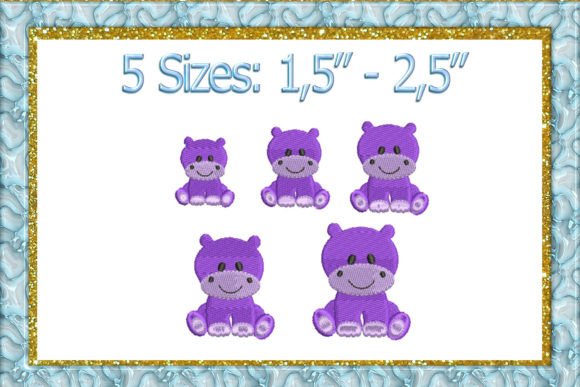
The versatility of this design lies in its provided dimensions. With five sizes available, including a 2.09” x 2.50” (53.1mm x 63.5mm) option, the Mini Hippo Embroidery Design is engineered for high-volume, multi-product use. Here is how it performs across specific business applications:
- Embroidered Patches: The 2.09” x 2.50” size is ideal for standard patch production. At this scale, the design maintains clarity without excessive stitch density, making it easy to attach to denim jackets, backpacks, or beanies. The compact footprint ensures the patch remains lightweight and flexible.
- Apron Embroidery: For cafes and bakeries, this design works exceptionally well as a pocket-sized logo on bib aprons. The vertical orientation of the hippo fits naturally above a chest pocket or centered on a waist tie, providing clear visibility during customer interactions.
- Tote Bag Design: Canvas tote bags are a staple for handmade brands and markets. This design stitches out cleanly on unstructured canvas, serving as a minimalist brand mark. Its size prevents the bag from looking cluttered, leaving ample negative space for additional text or website URLs.
- Cap Embroidery: Curved surfaces present unique challenges. The smaller sizes of this design are appropriate for left-chest placement on caps or as a centered front motif. Because the design is compact, it reduces the risk of puckering on structured cap fronts compared to larger, denser animal designs.
Production Considerations and Fabric Compatibility
While the Mini Hippo Embroidery Design is versatile, successful commercial embroidery requires understanding its limitations on various substrates. As with any digitized animal motif, attention to fabric texture and stabilization is non-negotiable.
Navigating Stitch Density and Texture
Animal designs often contain fill stitches that can become dense at smaller scales. Before running a full production batch, you must verify the stitch density against your target fabric. On textured materials like terry cloth towels or fleece blankets, the design may require a water-soluble topping to prevent stitches from sinking into the pile. Conversely, on lightweight performance fabrics used for staff polos, excessive density could cause distortion. Always test the specific size you intend to use; do not assume the largest size will resize down perfectly without adjusting underlay or pull compensation.
Color Contrast and Visibility
For brand identity consistency, thread color selection matters more than the design itself. A grey hippo on a charcoal uniform will disappear, negating the marketing value. I recommend testing thread colors in both natural and artificial lighting. If your business uses dark uniforms, consider adding a light outline or using a lighter shade for the hippo’s body to ensure the design pops. High contrast is essential for recognition in retail environments and social media photography.
Strategic Placement for Customer Engagement
Where you place the Mini Hippo Embroidery Design directly influences customer perception and product value. In my consultations with Etsy sellers and brick-and-mortar boutiques, strategic placement has proven to increase buyer engagement.
- Chest Logos: Placing the design on the left chest of work shirts creates an immediate association with established service brands. It signals professionalism while retaining the unique character of a small business.
- Sleeve Details: Using the smallest size on a sleeve cuff or shoulder seam adds a "premium handmade" touch that justifies higher price points. This subtle branding is particularly effective for children’s clothing lines or artisanal goods.
- Packaging Accents: Beyond apparel, consider embroidering this design onto reusable packaging bags or cloth tags. This transforms disposable packaging into a keepsake, reinforcing sustainability values and encouraging repeat business.
Essential Pre-Production Checklist for Business Owners
Before integrating the Mini Hippo Embroidery Design into your inventory, follow this professional validation protocol to protect your investment and reputation:
- Verify Licensing: Confirm that the digital embroidery file includes commercial licensing terms. Never assume a design is cleared for business use without explicit documentation.
- Test on Real Fabric: Do not rely solely on screen simulations. Run a sew-out on the exact material you plan to sell. Check for registration issues, thread breaks, or fabric tunneling.
- Check Hoop Size Requirements: Ensure your machine’s hoops accommodate the 2.09” x 2.50” size comfortably with adequate margin for stabilization. Tight hooping can distort the final finished product.
- Create Printable Mockups: Use software to generate realistic mockups for client approval or online listings. This helps visualize scale and placement before committing to physical samples.
- Wash Test: If selling washable items like baby clothes or aprons, launder the test sample multiple times. Verify that the design holds up to frequent washing without fraying or shrinking disproportionately to the garment.
- Compare Beside Other Assets: Print the design at actual size and place it next to your existing logos or tags. Ensure visual weight and style consistency across your entire product line.
Elevating Handmade Products Through Thoughtful Design
The Mini Hippo Embroidery Design represents more than just a cute animal graphic; it is a functional tool for building a cohesive small business brand. When executed with proper attention to stabilizer choice, thread contrast, and placement strategy, it elevates simple blanks into desirable branded merchandise. Whether you are creating staff uniforms for a flower shop, signature totes for a market stall, or personalized gifts for a pediatric clinic, this design offers the flexibility needed for diverse commercial applications.
Success in commercial embroidery comes from treating every design file as a component of a larger business system. By validating the technical specs and aligning the visual tone with your specific niche, the Mini Hippo Embroidery Design can become a reliable, profitable asset in your product catalog. Always prioritize testing and quality control to ensure that every stitch reflects the professionalism and care that defines your handmade brand.