Moroccan Geometric Embroidery Delight 4 Review
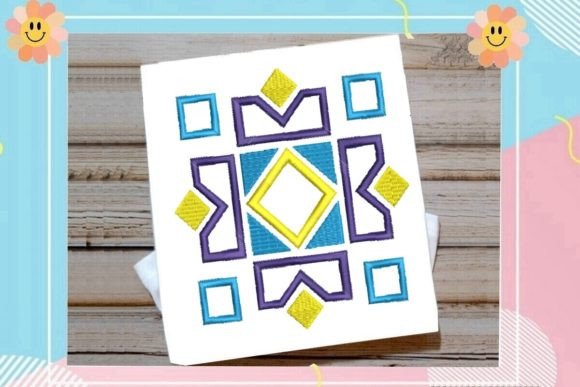
As an embroidery designer who has stitched thousands of samples for clients ranging from boutique hotels to new parents, I am always on the lookout for designs that bridge the gap between traditional artistry and modern personalization. When I first loaded Moroccan Geometric Embroidery Delight 4 into my machine software, I was immediately struck by its sophisticated balance. This is not merely a collection of shapes; it is a gorgeous machine embroidery design that draws inspiration from Moroccan art known as Zellige, characterized by geometric shapes forming beautiful patterns. For those of us creating meaningful goods, this design offers a unique opportunity to elevate standard items into culturally rich, visually stunning keepsakes.
The Emotional Appeal of Zellige-Inspired Stitching
In the world of Creative Fabrica embroidery, we often see two extremes: overly simplistic outlines or densely packed, thread-heavy motifs that can distort delicate fabrics. Moroccan Geometric Embroidery Delight 4 sits comfortably in the middle ground. The visual softness of the geometry provides a sense of calm and order, which is essential when designing for nurseries or wedding gifts. Unlike chaotic floral patterns, the structured nature of Zellige art conveys stability and timelessness.
From a designer’s perspective, the "handmade charm" here comes from the precision of the lines. Geometric embroidery requires exact registration; if the machine is off by a millimeter, the illusion breaks. However, this specific design feels organic rather than rigid. It possesses a decorative style that feels both classic and modern, making it versatile enough for a boho-chic nursery or an elegant master bedroom. It avoids being overly sweet or juvenile, allowing it to mature with the recipient, whether they are receiving a baby blanket today or using that same blanket as a throw twenty years from now.
Real-World Applications for Personalized Gifts
When evaluating a freebie or paid design, I always ask: "Who will buy this?" For Etsy sellers and small business owners, Moroccan Geometric Embroidery Delight 4 solves several product development challenges. Here is how I envision this digital embroidery file translating into profitable, heartfelt products:
- Baby Embroidery and Nursery Decor: The geometric symmetry is soothing for infant environments. Because the design relies on shape rather than character imagery, it remains gender-neutral and age-appropriate. It works beautifully on crib sheets, changing pad covers, or as a centerpiece on a personalized gift blanket.
- Wedding Gift and Linens: Zellige patterns have deep roots in hospitality and celebration. This design is perfect for embroidered towels, napkins, or table runners intended as wedding gifts. The intricate detail mimics high-end lacework without the fragility, offering a durable luxury for newlyweds.
- Custom Home Decor: For makers focusing on adult markets, this pattern shines on pillow covers and tote bags. The structured aesthetic pairs exceptionally well with linen, cotton canvas, and velvet, adding a touch of global sophistication to everyday items.
- Craft Fair Products: At markets, texture sells. The interplay of satin stitches and running stitches in geometric formations creates a tactile experience that attracts buyers. A simple apron or tea towel becomes a premium handmade product when adorned with this level of artistic detail.
Technical Considerations for Professional Results
While the aesthetic value of Moroccan Geometric Embroidery Delight 4 is high, practical execution determines customer satisfaction. As professionals, we must navigate fabric texture, stabilizer choice, and stitch density to ensure the finished product meets expectations.
Managing Stitch Density and Fabric Texture
Geometric designs often involve continuous stitching paths. Before committing to a commercial embroidery run, you must review the stitch density. If the design is too dense for your chosen fabric, such as a lightweight voile for baby embroidery, you risk puckering or stiffness. Conversely, if stitching on textured towels, the geometric lines may get lost in the pile. In these cases, using a water-soluble topping is non-negotiable to keep the Zellige patterns crisp and visible.
Stabilizer and Hoop Size Verification
Precision is everything in geometric art. You cannot rely solely on adhesive spray. I recommend using a cut-away stabilizer for stretchy knits or baby clothes to prevent the geometry from warping after washing. For woven fabrics like pillow covers or aprons, a medium-weight tear-away may suffice, but always test first. Crucially, confirm the hoop size requirements before purchasing or downloading. Nothing halts production faster than realizing a design is slightly too large for your standard 4x4 hoop when you planned for a quick turnaround.
Thread Colors and Contrast
The beauty of Zellige lies in color interaction. While monochromatic white-on-white stitching looks ethereal on wedding linens, high-contrast thread colors can make the geometric shapes pop on darker fabrics. When selecting thread colors, consider the emotional tone. Terracotta, teal, and gold honor the traditional Moroccan palette, while pastels soften the look for baby embroidery. Always compare thread colors against the actual fabric under natural light before stitching, as screen mockups can be deceiving.
Building Customer Trust Through Quality
For Etsy sellers and digital product creators, perceived quality directly influences buyer engagement. A poorly executed geometric design looks messy and cheap because the human eye instantly detects misalignment in straight lines. By mastering Moroccan Geometric Embroidery Delight 4, you signal to customers that you pay attention to detail.
This attention to detail enhances the emotional value of the item. When a customer receives a custom embroidery piece where the corners match perfectly and the tension is balanced, they trust your brand. This trust leads to repeat business and positive reviews. Furthermore, because this design has such strong visual structure, it photographs exceptionally well. Clean lines and distinct patterns are easier to capture in product photography than fuzzy, indistinct motifs, making your printable mockup and listing images more attractive to potential buyers.
Essential Checklist Before You Stitch
To ensure success with this embroidery file, follow this professional workflow:
- Create a Test Stitch-Out: Never stitch directly onto a final product without testing. Use a scrap of similar weight and texture to check registration and density.
- Review Licensing: Since this item is categorized under Freebies on Creative Fabrica, double-check the specific license terms. Ensure you have the right to sell finished products or if the license is for personal use only. Respecting intellectual property is vital for long-term business integrity.
- Check Small Details: After your test run, inspect the smallest geometric elements. Are they defined? Is there thread buildup? Adjust tension or trim jump threads as necessary.
- Wash Test: If selling baby embroidery or kitchen linens, wash and dry your sample. Geometric patterns can distort if the stabilizer wasn't adequate. Better to discover this during testing than after a customer complaint.
- Verify File Compatibility: Ensure the digital embroidery file format matches your machine. While most platforms offer multiple formats, always verify before starting a project.
Elevating Your Handmade Portfolio
Moroccan Geometric Embroidery Delight 4 represents more than just a pretty pattern; it is a tool for storytelling through needle and thread. Whether you are crafting a personalized gift for a loved one or expanding your shop's inventory with culturally inspired home decor, this design offers a foundation of elegance and versatility. By approaching it with professional care—respecting the technical demands of geometry and the cultural heritage of Zellige—you transform a digital file into a tangible expression of craftsmanship. For the dedicated maker, this is exactly the kind of design that turns a simple hobby into a respected artisan business.