Pastel 3D Roses: A Designer’s Embroidery Review
As an embroidery designer who constantly evaluates digital assets for real-world production, I approach every new graphic pack with a healthy dose of skepticism. We have all downloaded beautiful images that look stunning on screen but translate poorly when converted into stitches. When I first opened the Pastel 3D Roses Embroidery Digital Paper collection, my immediate focus was not just on the aesthetic beauty of the pastel palette, but on the structural integrity of the floral shapes. For those of us running a craft business or managing an Etsy shop, these graphics are more than just pretty pictures; they are potential revenue streams and reputation builders.
This review breaks down how these high-resolution JPGs perform when adapted for actual needle and thread work, specifically looking at their viability for custom apparel, nursery decor, and boutique merchandise.
First Impressions: Texture and Tone Translation
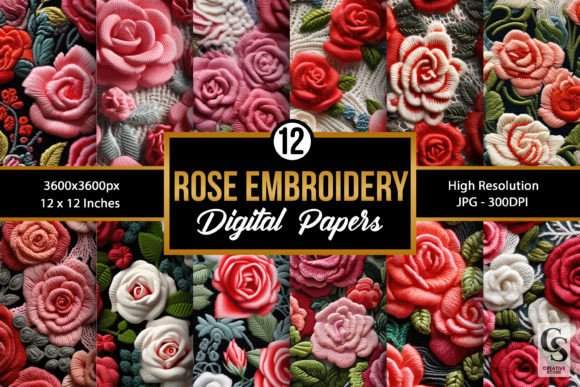
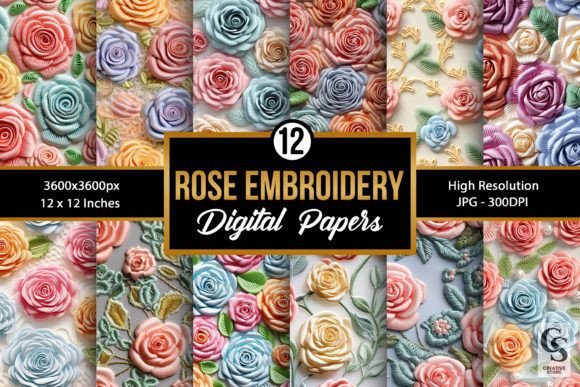
The pack includes 12 seamless patterns at 3600 x 3600 pixels (300dpi). From a design perspective, this resolution is the sweet spot for digitizing. The "3D" aspect of these roses is achieved through shading and depth rather than harsh outlines, which is a significant advantage for embroidery. When creating a machine embroidery design from raster art, crisp vector lines are easy, but soft gradients require skill. These pastel roses offer enough contrast in the petal layers to allow for distinct color changes without becoming muddy.
The mood is undeniably soft and romantic. Unlike high-contrast traditional rose designs that can feel heavy or dated, these pastels suggest airiness. This makes them ideal candidates for baby embroidery projects or spring-themed personalized gifts. However, as a reviewer, I must note that pastel threads can sometimes lack definition against white fabric. If you are using these graphics as a base for digitizing, plan to incorporate subtle shadow threads or outline details to maintain that 3D effect once stitched out.
Real-World Application: The Custom Sweatshirt Test
To truly evaluate this asset, I mentally walked through a recent client request: a custom crewneck sweatshirt featuring a large, centered floral motif for a bridal shower gift. Sweatshirt fleece is textured and stretchy, making it a challenging canvas for detailed florals.
Using the Pastel 3D Roses Embroidery Digital Paper as a reference for digitizing, the seamless nature of the pattern allows for flexible placement. For a sweatshirt embroidery project, I would isolate a single large bloom rather than using the repeating tile. The soft edges of the digital rose translate well to a blend of fill stitch and light satin stitch borders. Because the source image is high-resolution, I could zoom in to trace individual petal folds without pixelation, ensuring the embroidery file retains organic curves rather than jagged steps.
For an Etsy seller, this specific application adds perceived value. Customers associate soft, watercolor-style florals with premium, handmade quality. Using these graphics to create unique design assets for apparel helps differentiate your shop from competitors using generic, hard-edged stock vectors. The visual appeal directly correlates to buyer engagement, especially when photographed on natural fabrics.
Navigating Fabric Limitations and Hoop Sizes
While versatile, these designs demand careful consideration regarding substrate. Pastel colors rely on light reflection to show depth. On dark fabrics like navy or black, the delicate 3D effect can vanish unless you use a white underlay or choose brighter thread alternatives. I recommend testing on scrap fabric first to see if the thread colors capture the intended mood against your chosen garment.
Hoop size is another critical factor. These roses are lush and detailed. Attempting to shrink them down for a 4x4 hoop may result in lost definition and excessive stitch density. They shine best in larger hoops (5x7 or larger) where the gradient stitching has room to breathe. Conversely, for small items like caps or baby bibs, you will need to simplify the design significantly. A complex 3D rose on a curved cap surface often leads to registration issues. In those cases, use the digital paper as inspiration for a simplified applique design or a minimalist running stitch outline version.
Be cautious with thin or sheer fabrics. The stitch count required to replicate the 3D shading can be dense. Without proper stabilizer, the weight of the embroidery could distort a lightweight tea towel or gauze blanket. Always pair these designs with appropriate backing to support the thread volume.
Commercial Viability for Makers and Sellers
For creative entrepreneurs, time is money. Having a library of high-quality, 300dpi graphics streamlines the product development phase. Whether you are designing printable mockups to test market interest before stitching, or creating final commercial embroidery products, consistency is key. The cohesive style across all 12 patterns in this zip file allows for brand consistency. You could create a matching set of nursery pillows, a tote bag design, and a changing pad cover that all share the same visual language.
This uniformity builds customer trust. When buyers see that your handmade product line has a professional, curated aesthetic, they are more likely to purchase multiple items. Furthermore, because these are digital papers, they serve dual purposes. You can use them for packaging design, thank-you cards, or website backgrounds, ensuring your physical finished product matches your digital storefront perfectly.
Essential Designer Notes Before You Stitch
Before loading these files into your digitizing software or sending them to production, keep these practical tips in mind:
- Verify Licensing: Always confirm the specific license terms included in the zip file. Ensure you have the rights to sell finished embroidered items or use the graphics in commercial digital products.
- Test Stitch Density: Pastel shading often requires layered fills. Run a test sew-out to ensure the fabric doesn't pucker. Adjust density settings in your software if the design feels too stiff.
- Color Matching: Screen colors rarely match thread spools exactly. Create a physical color chart mapping your thread brand to the digital hues before starting a holiday embroidery rush order.
- Simplify for Durability: If making items for frequent washing (like kitchen towels or baby clothes), reduce the complexity. Heavy 3D shading may not withstand industrial laundering as well as simpler stitch types.
- Mockup Strategy: Use the 3600px files to create realistic digital previews for your shop listings. This saves sample-making costs while validating demand for specific colorways.
Final Verdict on Practical Utility
The Pastel 3D Roses Embroidery Digital Paper collection offers a strong foundation for makers who understand the translation process from screen to fabric. It avoids the trap of being overly cartoonish or excessively photorealistic, landing instead in a versatile, artistic middle ground perfect for modern embroidery.
Success with this pack depends on respecting the technical requirements of machine embroidery. Treat these JPGs as high-quality blueprints rather than instant stitch files. With proper digitizing adjustments, stabilizer choices, and fabric pairing, these roses can elevate your small shop product line from standard to standout. Whether you are crafting a sentimental embroidered patch or a full-scale boutique collection, the visual softness and high resolution of these patterns provide the professional edge needed in today's competitive handmade market.