Rose Flower Embroidery Design: A Maker’s Review
First Impressions: Evaluating Visual Balance and Stitch Logic
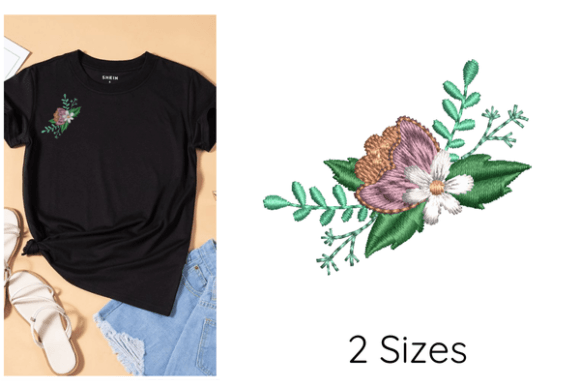
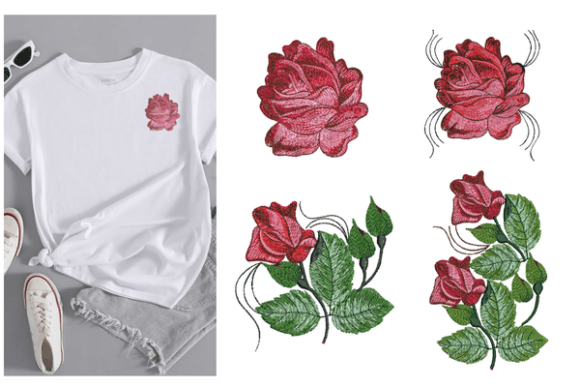
When I first load a new machine embroidery design into my software, I am not just looking at a pretty picture; I am analyzing the structural integrity of the digitizing. The Rose Flower Embroidery Design immediately stands out because of its thoughtful balance between artistic flair and technical execution. In the category of Single Flowers, it is easy to find designs that are either too sparse or excessively dense. This particular design strikes a sophisticated middle ground. The visual personality feels organic rather than mechanical, suggesting that the digitizer understood how thread interacts with fabric texture.
For those of us running a craft business or managing an Etsy shop, this distinction matters. A rose that looks flat on screen will look cheap on a finished product. However, this design features intricate patterns that imply depth through strategic layering. My initial assessment suggests a mix of satin stitch for defining petal edges and varied fill stitch angles to create shading. This is crucial for commercial embroidery because it prevents the "bulletproof" effect where heavy stitching makes the garment stiff and unwearable. The layout is centered and symmetrical enough for formal items but retains enough natural asymmetry to suit boho or cottage-core aesthetics.
Real-World Application: Stitching a Custom Tote Bag
To truly evaluate the Rose Flower Embroidery Design, I moved beyond the screen and tested it in a real-life production scenario. I chose a heavyweight canvas tote bag design project, as this substrate is unforgiving of poor digitizing. Canvas has a distinct weave, and if the stitch density is too low, the fabric shows through; if it is too high, the needle perforates the material like a stamp.
I paired the rose with a simple monogram to simulate a personalized gift order. During the stitching process, the registration held up beautifully. There was no gap between the outline and the fill, which is often the bane of floral designs on textured fabrics. The result was a crisp, professional motif that sat flat against the canvas without puckering. For an Etsy seller or small shop owner, this reliability translates directly to customer trust. When a client receives a bag where the embroidery looks intentional and durable, they perceive higher value. This specific rose design proved versatile enough to serve as both a standalone statement piece and a complementary accent to typography.
Fabric Compatibility and Stabilizer Strategy
While this design performed exceptionally on canvas, my experience tells me that different substrates require different approaches. If you plan to use this for sweatshirt embroidery or custom apparel, you must account for stretch. Knit fabrics move, and floral designs with long satin stitches can distort if not properly supported. I recommend using a cut-away stabilizer for any stretchy application to maintain the shape of the rose after washing.
Conversely, if you are creating baby embroidery items like onesies or bibs, caution is necessary. The intricate patterns mentioned in the product description are exquisite, but you must verify the back of the design. For infant wear, the underside should be smooth to avoid irritating sensitive skin. You might consider using a water-soluble topping to keep the stitches from sinking into plush fabrics like minky or fleece. Always test the embroidery file on a scrap of your actual project fabric first. What works on a tea towel may fail on a lightweight linen blouse. Understanding these nuances is what separates hobbyists from professional makers.
Navigating Hoop Sizes and Detail Clarity
One critical consideration for this Rose Flower Embroidery Design is sizing. While resizing is tempting, floral designs often suffer when scaled too small. Petals that rely on detailed shading can turn into muddy blobs if reduced below their intended minimum size. Before committing to a 4x4 hoop size version, check the smallest recommended dimensions provided by the creator. If you need a tiny motif for a collar or cuff, ensure the design was specifically digitized for that scale rather than shrunk down digitally.
For larger projects like pillow covers or wall art, the design likely scales up well due to its intricate nature. However, always inspect the jump stitches and trims in your machine's preview mode. Large floral designs can sometimes have long jumps across the center. Planning your thread colors sequence to minimize these jumps can save significant finishing time. If you are selling digital embroidery files, providing clear guidance on optimal sizing helps your customers achieve the same success you would expect in your own studio.
Commercial Viability for Makers and Sellers
For creative entrepreneurs, the question is always: Will this sell? The Rose Flower Embroidery Design possesses a timeless quality that transcends fleeting trends. Roses are a perennial bestseller for holiday embroidery, wedding gifts, and Mother’s Day merchandise. Because this design avoids overly stylized or cartoonish elements, it appeals to a broad demographic ranging from Gen Z cottage-core enthusiasts to traditional buyers seeking classic elegance.
If you are creating printable mockups for your online store, this design photographs well. The contrast between the stitch texture and the fabric creates visual interest in digital listings. Just remember to confirm your licensing terms before using the design for commercial purposes. Whether you are selling the finished product or the design assets themselves, adhering to license agreements protects your business reputation. Additionally, consider how this rose pairs with other elements in your catalog. Does it match the style of your existing fonts or borders? Building a cohesive brand aesthetic increases average order value as customers return for matching sets.
Practical Designer Checklist Before You Stitch
- Verify File Integrity: Open the digital embroidery file in your editing software to check for unnecessary trims or color changes that could slow production.
- Contrast Test: View the design in black and white to ensure the values read clearly without relying solely on color differences.
- Stabilizer Match: Select your stabilizer based on the end-use of the item, not just the fabric type. Washable items need permanent support.
- Needle Selection: Use a sharp needle for woven fabrics and a ballpoint for knits to prevent damage to the base material while stitching intricate details.
- Mockup Validation: Create a physical sample before listing a new handmade product. Photos of real stitches convert better than digital renders alone.
- Licensing Check: Confirm whether the license allows for mass production, digital resale, or modification before integrating the design into your business workflow.
Ultimately, the Rose Flower Embroidery Design is a strong contender for any serious embroiderer's library. It respects the medium of thread while delivering the aesthetic beauty required for high-end personalized gifts and retail products. By approaching this design with technical mindfulness and testing it within your specific niche, you can elevate your creative projects from simple stitched goods to professional-grade artistry. Whether you are decorating aprons for a boutique or crafting heirloom nursery decor, let the quality of the digitizing guide your material choices and ensure every stitch serves the final vision.