Spring Embroidery Seamless Patterns for Apparel
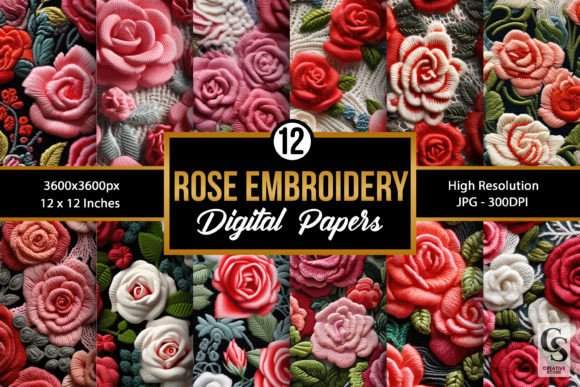
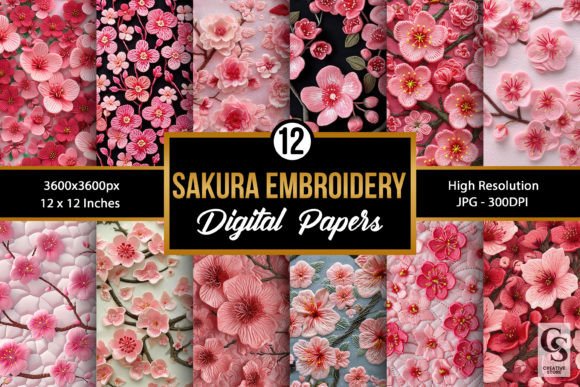
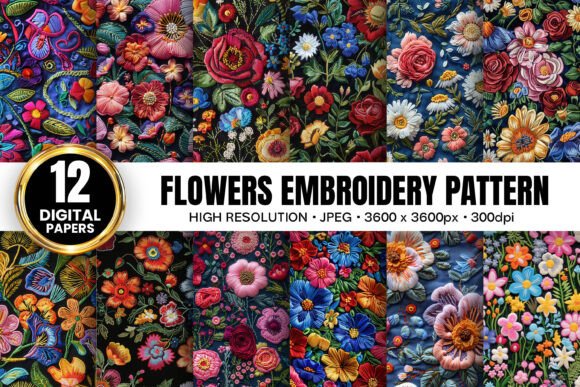
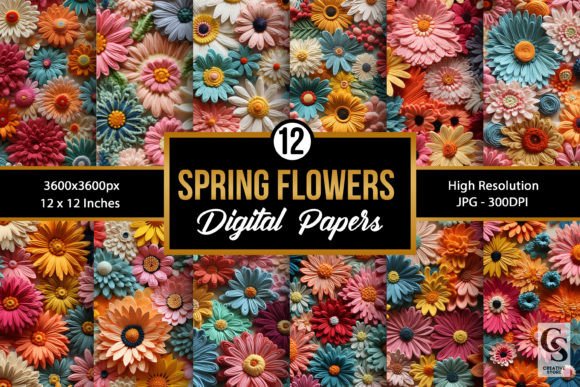
As an embroidery designer constantly scouting for fresh aesthetics for boutique apparel, I approach every new digital asset with a critical eye. When planning a seasonal sweatshirt or hoodie collection, the difference between a generic craft project and a premium custom apparel line often lies in the source material. I recently evaluated the Spring Embroidery Seamless Patterns from Creative Fabrica to determine if these graphics hold up for professional garment decoration. While marketed as digital papers, high-resolution seamless patterns are invaluable tools for modern embroiderers who digitize their own work or create mixed-media products.
Visual Personality and Stitching Mood
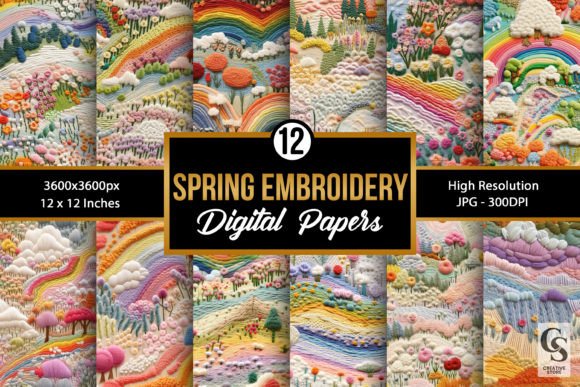
The first impression of this collection is distinctly fresh yet versatile. The twelve included designs carry a visual personality that balances feminine softness with trendy minimalism. For a boutique brand, this aesthetic is crucial; it avoids looking overly juvenile while maintaining the playful optimism associated with spring merchandise. The patterns possess enough decorative strength to stand alone on a neutral sweatshirt but remain refined enough to serve as subtle texture on pastel hoodies.
From a digitizing perspective, the mood suggests a mix of satin stitch florals and delicate running stitch accents. The seamless nature of these Patterns implies a continuous flow that translates beautifully to embroidery. Unlike standalone motifs that can look stamped-on, seamless designs allow for organic placement across curved surfaces like sleeves or yokes. This collection feels premium rather than rustic, making it suitable for higher-priced handmade product listings where customers expect polished artistry.
Application Across Boutique Apparel
When developing a cohesive collection, versatility is key. I envision these Spring Embroidery Seamless Patterns performing exceptionally well across various garment types. For oversized sweatshirts, the 12″ x 12″ scale provides ample coverage for back designs without requiring excessive re-hooping. On t-shirts, cropping specific elements of the seamless repeat creates unique chest placements that feel custom rather than repetitive.
For hoodie design, consider utilizing the pattern as a tonal texture. Using thread colors that match the fabric base creates a sophisticated, embossed effect that elevates the perceived value of the garment. This technique works particularly well on fleece and French terry fabrics where the texture adds depth without overwhelming the wearer. Additionally, these graphics are ideal for coordinating accessories. A tote bag featuring a bold section of the pattern can serve as a perfect upsell item in an Etsy shop, creating a complete lifestyle look for product photography.
Digital Mockups and Brand Consistency
Beyond physical stitching, these high-resolution JPG files serve a dual purpose for Etsy seller success. Before committing to production, you can use these seamless patterns to create realistic printable mockup backgrounds. This ensures your social media graphics and listing photos maintain visual consistency with your actual embroidered goods. Buyers trust brands that present a unified aesthetic, and using the same source art for both your digital marketing and physical products strengthens that brand identity.
Technical Considerations for Garment Decoration
While the artistic potential is high, practical application requires careful judgment. It is vital to remember that this product consists of Graphics (300dpi JPGs), not pre-digitized embroidery files. This distinction matters significantly for production workflow. You must either digitize these patterns yourself or hire a professional digitizer to convert them into a usable machine embroidery design. Always confirm the licensing terms on Creative Fabrica before selling finished apparel to ensure commercial usage rights cover your specific business model.
When translating these seamless patterns to stitch format, pay close attention to stitch density. Seamless designs can become incredibly dense if digitized as full-coverage fill stitches. On stretchy fabrics like ribbed knits or lightweight jersey, excessive density causes puckering and distortion. I recommend testing on scrap fabric identical to your final garment. Use appropriate stabilizer choices; cutaway stabilizer is generally non-negotiable for knit apparel to prevent the design from warping after washing.
Navigating Fabric Texture and Placement
The interaction between fabric texture and design detail cannot be overlooked. Fleece tends to swallow fine details, so if you plan to use these patterns on cozy hoodies, simplify the digitized version to bolder shapes. Conversely, on smooth cotton t-shirts, you can retain finer line work. Be cautious with small chest placements; ensure the scaled-down motif retains clarity and does not become a muddy blob of thread.
Dark garments present another challenge. High-contrast thread colors are necessary to make spring pastels pop against navy or charcoal sweatshirts. However, light thread on dark fabric often requires an underlay to prevent the fabric color from showing through. Test your color palette rigorously. What looks vibrant on a screen may appear dull on textured cotton. Confirm your hoop size capabilities as well; maximizing the 12″ x 12″ design area reduces hoop marks and alignment issues compared to piecing together smaller sections.
Elevating Product Value and Customer Trust
In the competitive landscape of commercial embroidery, uniqueness drives sales. Utilizing seamless patterns allows for customization that stock embroidery files simply cannot offer. By manipulating the scale, rotation, and colorway of these Spring Embroidery Seamless Patterns, you create proprietary designs that protect your shop from direct comparison shopping. This exclusivity justifies higher price points and fosters buyer loyalty.
Furthermore, professional presentation hinges on execution. A seamless pattern that wraps elegantly around a sleeve seam demonstrates technical mastery, whereas a poorly aligned repeat screams amateur. Take the time to mark your garments accurately and use alignment tools during hooping. The effort invested in precise placement directly correlates to customer satisfaction and positive reviews. When buyers receive a garment where the design flows naturally with the construction of the clothing, they recognize the quality inherent in a true small shop product.
Designer Notes for Production Success
Before launching your spring collection, adhere to these professional best practices:
- Verify File Specs: Confirm the download includes all 12 high-resolution JPGs at 3600 x 3600 pixels before starting any digitizing work.
- Test Stitch Outs: Never run a production batch without a test sew-out on the exact garment blank you intend to sell.
- Check Licensing: Review the specific Creative Fabrica license included with the zip file to validate permissions for selling physical embroidered items versus digital derivatives.
- Optimize for Knits: Adjust pull compensation settings in your digitizing software to account for fabric stretch, especially on hoodie fronts and sweatshirt cuffs.
- Color Matching: Create a physical thread chart matched to the digital pattern to ensure accurate translation from screen to fabric.
- Document Settings: Keep notes on which stabilizers and needle sizes worked best for each fabric type to streamline future reorders.
Ultimately, the Spring Embroidery Seamless Patterns collection offers a strong foundation for apparel decorators willing to put in the technical work. By treating these graphics as raw material for custom creation rather than instant solutions, you unlock their full potential. Whether you are building a signature hoodie line or expanding your tote bag offerings, these patterns provide the aesthetic flexibility needed to capture the spring market. Just remember that in embroidery, the magic happens in the translation from pixel to stitch, so prioritize testing and precision to deliver a finished product that truly stands out.