White Leather Floral Embroidery Patterns Review
As a professional embroidery designer specializing in commercial merchandise and branded apparel, I approach every new asset with a critical eye toward production viability. When evaluating White Leather Floral Embroidery Patterns for small business use, my primary concern is not just aesthetic beauty, but how these graphics translate from a digital screen to a tangible, stitched product. Small business owners, Etsy sellers, and apparel decorators need assets that communicate quality without causing production headaches. This review analyzes these specific digital papers through the lens of a digitizer preparing for real-world application on patches, uniforms, and boutique merchandise.
First Impressions: Visual Texture and Brand Personality
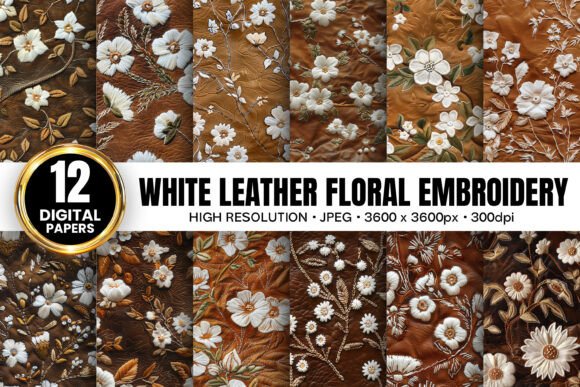
The immediate visual impact of White Leather Floral Embroidery Patterns suggests a premium, tactile aesthetic. Unlike flat vector art, the "leather" descriptor implies depth, shadow, and organic texture. For a brand identity, this communicates craftsmanship and durability. In my experience, floral motifs can sometimes skew too casual or overly feminine for certain commercial applications, but the leather texture grounds these patterns, making them suitable for rustic bakeries, artisanal florists, pet brands, and heritage-style boutiques.
From a design perspective, these graphics feel elegant yet robust. They strike a balance between decorative and structural, which is essential for small business merch. A coffee shop owner looking for apron embroidery or a creative studio needing staff uniforms will find that these patterns offer a sophisticated backdrop that elevates perceived value. The white-on-white or tonal nature often associated with leather textures requires careful consideration during the digitizing process, as contrast is key when translating high-resolution JPGs into thread paths.
Commercial Applications: From Digital Papers to Finished Products
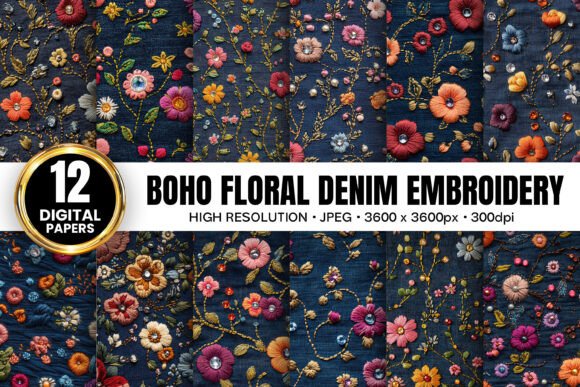
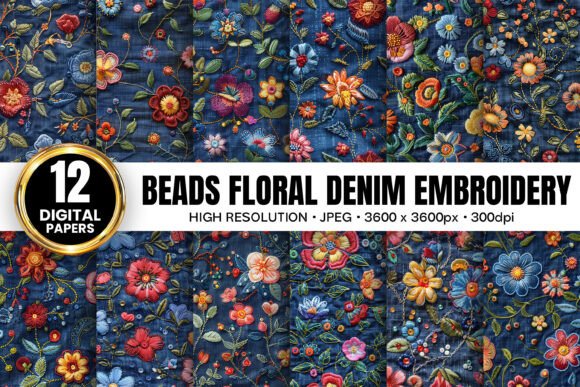
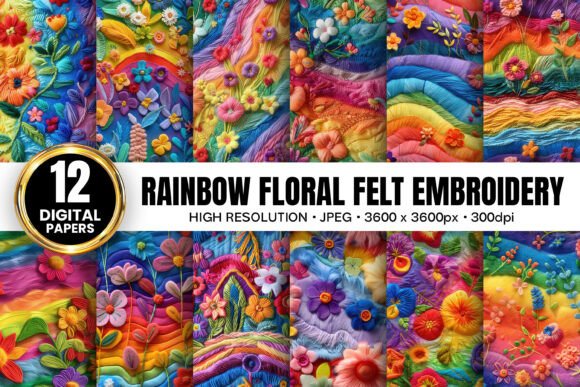
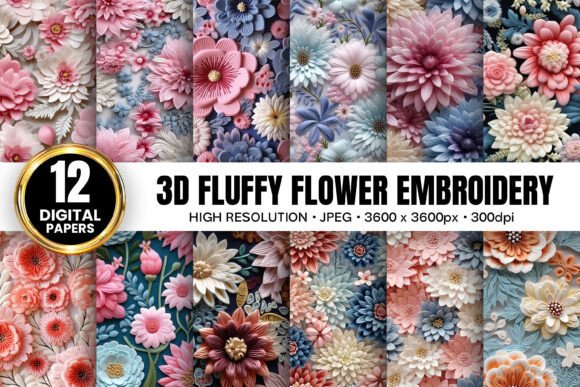
These 3600 x 3600 pixel files serve as excellent source material for various commercial embroidery projects. However, it is vital to understand that these are raster graphics, not pre-digitized stitch files. As high-quality reference images at 300 DPI, they provide the necessary detail for creating custom machine embroidery design files. Here is how I envision applying these assets in a business context:
- Embroidered Patches: The intricate floral details work beautifully for 3-inch to 4-inch patches. The leather texture translates well into satin stitches and fill patterns, creating a patch that looks substantial rather than flimsy.
- Tote Bag Design: For canvas totes sold in gift shops or markets, these patterns offer a large-scale repeat option. The high resolution ensures that even when scaled for a bag center, the edges remain crisp for tracing and digitizing.
- Cap Embroidery: While complex, selected elements of these floral patterns can be isolated for cap fronts. The organic shapes conform better to curved surfaces than rigid geometric logos.
- Custom Apparel Accents: Use these patterns as sleeve cuffs, collar details, or pocket accents. This subtle branding approach is perfect for high-end handmade products where overt logos might detract from the garment's style.
- Printable Mockups: Before committing to production, use these high-res JPGs to create realistic digital mockups for client approval. This saves time and thread by ensuring the visual direction aligns with the client’s expectations.
Production Considerations and Technical Limitations
While White Leather Floral Embroidery Patterns are visually stunning, they present specific challenges that every embroiderer must navigate. Because these are detailed raster images, they cannot be sent directly to an embroidery machine. They require manual or auto-digitizing to convert pixels into stitches. When planning your production run, consider the following technical constraints:
Stitch Density and Fabric Texture
Leather textures imply heavy coverage. If you attempt to replicate the full density of a leather graphic using standard polyester thread, you risk bulletproofing the fabric or causing needle breaks. When digitizing these patterns for custom apparel, you may need to stylize the texture using specialized fill stitches rather than attempting a photorealistic reproduction. Always test stitch density on a scrap of your actual production fabric. Lightweight linens or performance wear may not support the weight of a dense floral leather design without significant stabilization.
Size and Detail Integrity
At 3600 pixels, these files are massive, but physical embroidery has limits. Intricate floral veins and leather grain that look beautiful on screen may turn into mud when stitched at 2 inches. For small items like chest logos or hat designs, simplify the artwork. Isolate single blooms or border elements rather than using the full pattern. Always verify the minimum legible size before mass production. If the design relies on fine lines, ensure your embroidery file uses running stitches appropriately and that the hoop size allows for adequate tension without distorting the delicate details.
Contrast and Visibility
White floral patterns on white leather backgrounds rely entirely on shadow and highlight. In thread form, this means relying on sheen differences or slight tonal variations. If stitching onto dark uniforms or navy tote bags, you must invert or adapt the color palette. Test thread colors against the base fabric first. A matte white thread on shiny white leather creates a different effect than rayon on cotton. Never assume the digital preview matches the physical output; always sew out a sample.
Impact on Brand Identity and Customer Trust
In the competitive landscape of handmade goods and local businesses, visual consistency builds trust. Using cohesive design assets like these floral patterns across multiple touchpoints—from packaging stickers to staff aprons—creates a unified brand experience. The "leather" aspect subconsciously signals longevity and premium quality to customers. When a buyer receives a product featuring high-quality apron embroidery derived from these patterns, it reinforces the perception that the business pays attention to detail.
Furthermore, utilizing unique, textured patterns helps distinguish your merchandise from generic clip-art competitors. For Etsy sellers, this differentiation is crucial. A handmade product featuring a custom-digitized interpretation of these white leather florals tells a story of intentional design rather than mass production. This narrative engagement often justifies higher price points and fosters customer loyalty.
Designer Notes for Successful Implementation
Before purchasing or producing merchandise with White Leather Floral Embroidery Patterns, adhere to this professional checklist to ensure commercial success:
- Verify Licensing: Confirm that the license permits commercial use for physical merchandise. Digital papers often have different terms than embroidery-specific files.
- Test in Monochrome: Convert the JPG to black and white before digitizing. This reveals the true value structure and helps prevent getting lost in color nuances that thread cannot replicate.
- Select Proper Stabilizer: For textured floral designs, use a cutaway stabilizer for knits and stretch fabrics to prevent puckering. Tear-away is rarely sufficient for dense, leather-style fills.
- Create Client Mockups: Use the 300 DPI files to show clients exactly what the placement will look like. Manage expectations regarding texture; explain that thread has a different sheen than digital leather.
- Check Washability: If used on items requiring frequent laundering (like café aprons), ensure the digitized version includes adequate underlay and tack-down stitches to prevent the detailed florals from unraveling over time.
- Simplify for Scale: Create multiple versions of the design asset: a complex version for tote bags and wall art, and a simplified version for caps and sleeves.
White Leather Floral Embroidery Patterns offer a rich foundation for branded merchandise, provided they are treated as source inspiration rather than finished stitch files. By respecting the technical realities of embroidery and leveraging the premium aesthetic of these graphics, small businesses can create merchandise that feels both artisanal and professionally executed. Always prioritize testing and adaptation to ensure the final finished product honors both the design and the brand it represents.