Botanical Flowers Embroidery Patterns Review
As an embroidery designer who has spent years digitizing and testing files for a busy personalized gift shop, I approach every new collection with a critical eye. When planning inventory for the upcoming season of weddings and baby showers, I recently tested the Botanical Flowers Embroidery Patterns to see if they could withstand the demands of real customer orders. My goal was simple: determine if these graphics translate into high-quality, sellable products that justify their price point and deliver emotional value to the end recipient. After downloading the ZIP file and running initial tests, here is my professional assessment for fellow makers and shop owners.
First Impressions and Emotional Resonance
Upon extracting the files, the first thing that struck me was the consistent mood across the collection. These Botanical Flowers Embroidery Patterns possess a timeless elegance that feels both classic and gently modern. They do not lean too heavily into rustic farmhouse aesthetics nor overly sterile vector art; instead, they strike a balance that reads as authentically handmade. For a personalized gift business, this emotional appeal is currency. The designs evoke feelings of growth, tenderness, and celebration, making them immediately suitable for life’s most significant milestones.
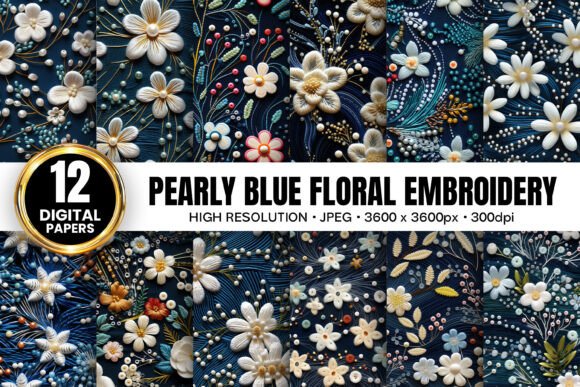
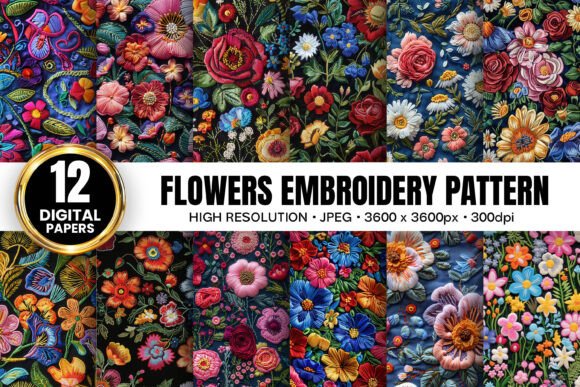
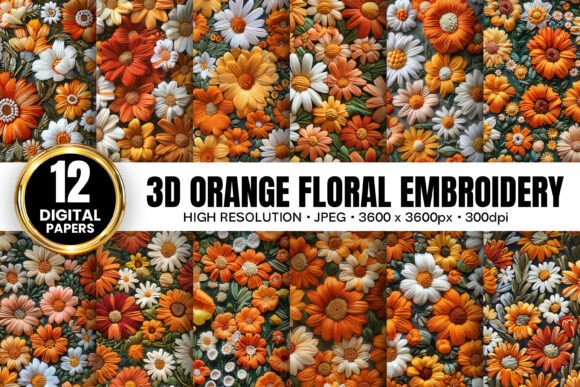
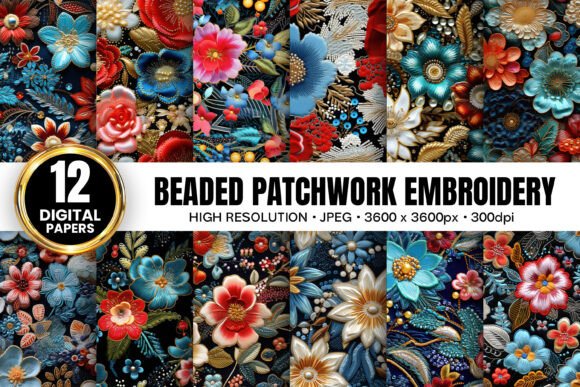
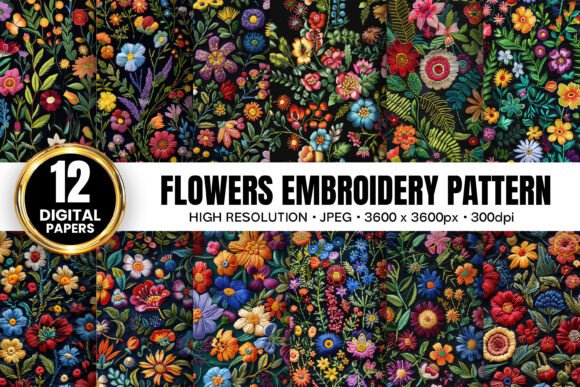
The resolution is a major factor here. Receiving 12 high-resolution digital papers at 300 DPI in JPG format (3600 x 3600 pixels) provides exceptional clarity. As a designer, I appreciate that the edges are crisp without being jagged. This level of detail suggests that when converted or traced for machine embroidery design work, the resulting stitch paths will be smooth rather than blocky. The charm lies in the delicate line work and organic shapes, which promise to add a sophisticated touch to any finished product without overwhelming the fabric's natural texture.
Real-World Application: From Digital File to Finished Gift
In my shop, versatility is key. I tested these patterns specifically for three core demographics: new parents, brides, and home decor enthusiasts. For baby embroidery projects, such as nursery wall hangings or receiving blankets, the botanical motifs offer a gender-neutral sweetness that appeals to modern parents moving away from stereotypical colors. I envision these designs working beautifully on soft cotton voile or linen, where the organic nature of the flowers complements the breathable fabric.
For wedding gifts, the application shifts toward permanence and heirloom quality. I mocked up a set of embroidered towel sets and linen pillow covers using these patterns. The scale of the 12-inch digital source allows for substantial resizing, meaning you can create a large centerpiece motif for a blanket embroidery project or scale it down for a subtle cuff detail on an apron. As an Etsy seller, having a cohesive collection like this allows you to build bundled listings—such as a "Bridal Trousseau Set"—which increases average order value. The visual consistency across the 12 files ensures that a customer buying multiple items receives a coordinated, professional-looking collection rather than mismatched graphics.
Navigating Fabric Challenges and Technical Limits
While the Botanical Flowers Embroidery Patterns are visually stunning, experienced crafters know that a beautiful graphic does not always guarantee a perfect stitch-out. During my testing phase, I identified specific areas where caution is required. The intricate details inherent in botanical illustrations can become problematic on textured fabrics like terry cloth or fleece. If you are creating an embroidered towel, the pile can swallow fine lines, causing the design to look muddy. In these cases, I strongly recommend using a water-soluble topping to keep the stitches visible and defined.
Stretchy baby clothes present another challenge. Because these designs feature organic, flowing lines, any distortion in the hoop will be immediately obvious. Unlike geometric patterns where slight warping might go unnoticed, a curved floral stem will look wrong if the fabric shifts. Always use the appropriate stabilizer for knit fabrics and consider a smaller hoop size to maintain tension. Additionally, be mindful of dark fabrics. While the high-resolution JPGs are excellent for light backgrounds, you must verify thread color contrast before stitching. A pale sage green flower that looks ethereal on white linen may disappear entirely on navy cotton. Always run a test stitch on scrap fabric that matches your final project’s weight and color.
Elevating Perceived Value and Customer Trust
In the competitive landscape of custom embroidery and digital product sales, presentation drives perceived value. These patterns significantly enhance giftability because they avoid the "clip-art" look that often plagues lower-end personalized gifts. When a customer receives a wedding keepsake featuring these botanicals, the detail level signals that time and care were invested in the creation. This builds trust and encourages repeat business.
For those selling digital embroidery file adaptations or printable mockups, the 3600 x 3600 pixel dimensions are a massive asset. You can create high-fidelity product photography previews without pixelation. Showing a potential buyer exactly how a pillow cover or tote bag will look reduces hesitation and returns. However, a crucial note for small business owners: always confirm commercial licensing terms before selling finished products. While the visual quality supports a premium price point, ensuring you have the right to monetize these specific graphics protects your shop’s longevity and reputation.
Practical Notes for Makers and Sellers
Before adding items made with Botanical Flowers Embroidery Patterns to your inventory, adhere to this practical checklist derived from my studio testing:
- Verify Hoop Compatibility: Although the source image is 12 inches, ensure your specific machine embroidery design fits within your maximum embroidery area after accounting for margins.
- Check Stitch Density: If converting these graphics yourself, monitor density closely. High-resolution visuals can tempt over-digitizing, leading to stiff, bulletproof embroidery on lightweight fabrics.
- Test Wash Durability: Botanical designs often rely on fine stems. Test wash a sample to ensure these delicate elements hold up to frequent laundering, especially for kitchen towels and baby items.
- Mockup Lighting: When listing on Etsy or social media, photograph the finished product in natural light to capture the thread sheen and texture, reinforcing the handmade quality.
- Color Mapping: Create a standard thread color chart for these patterns to ensure consistency across different batches of custom embroidery orders.
Ultimately, the Botanical Flowers Embroidery Patterns represent a strong foundation for a personalized gift business. They bridge the gap between artistic beauty and commercial viability, provided the maker respects the technical requirements of the substrate. Whether you are crafting a singular wedding gift or stocking a shop with best-selling nursery decor, these designs offer the warmth and professionalism that today’s buyers seek. Just remember to treat the digital file as a starting point; your expertise in stabilizer selection, hooping, and thread choice is what truly brings these botanicals to life.