Floral Cross Bible Cross Stitch Pattern Review
As a professional embroidery designer specializing in commercial merchandise and branded assets, I approach every new design file with a critical eye toward production viability. When evaluating the Floral Cross Bible Cross Stitch Pattern for small business use, my primary focus shifts from simple aesthetics to functional application. This is not merely a decorative graphic; it is a potential cornerstone for brand identity across various mediums. For shop owners, Etsy sellers, and apparel decorators, understanding how this specific cross stitch pattern translates into an embroidered patch or custom apparel accent is essential before committing to production.
Visual Personality and First Impressions
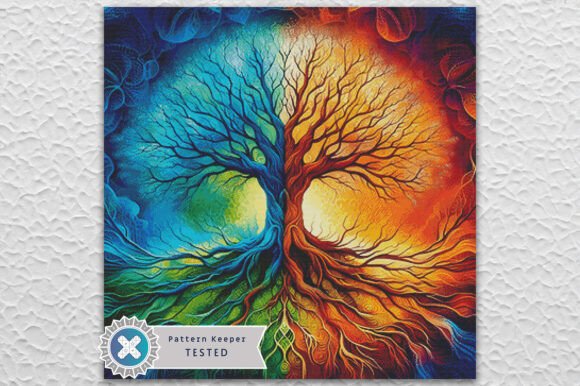
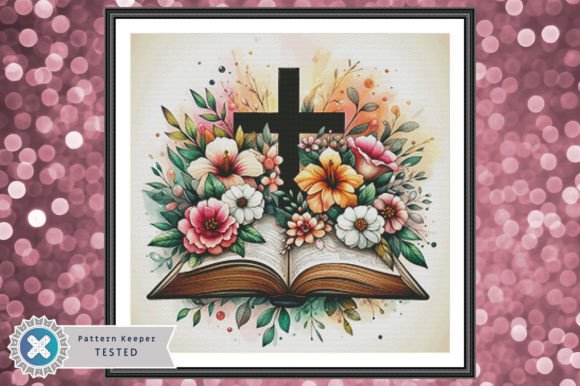
The first impression of the Floral Cross Bible Cross Stitch Pattern is one of intricate elegance mixed with rustic warmth. Unlike minimalist line art often seen in modern corporate branding, this design carries the weight of tradition and craftsmanship. The full coverage nature suggests a dense, textured look that reads as premium and handmade rather than mass-produced. For a boutique, florist, bakery, or faith-based organization, this visual language communicates trust, patience, and attention to detail.
However, from a technical standpoint, "full coverage" immediately signals high stitch density. In a commercial embroidery context, this means the design has significant physical presence on fabric. It feels substantial and durable, which is excellent for items like tote bags or aprons that endure wear. Yet, this same characteristic demands careful consideration regarding fabric weight and stabilizer choices. The design projects a friendly yet sophisticated aesthetic, making it suitable for businesses that want to emphasize artisanal quality over industrial efficiency.
Commercial Applications for Small Business Merch
When adapting the Floral Cross Bible Cross Stitch Pattern for business merchandise, versatility is key. Based on the provided specifications of 300w x 300h stitches, we are looking at a substantial graphic area. At 14 count, the finished size is approximately 21.5 inches square, while at 16 count, it reduces to roughly 18.8 inches square. These dimensions make the raw pattern ideal for large-format applications.
- Tote Bag Design: The large scale is perfect for canvas tote bags. The full coverage creates a focal point that can anchor a shop’s branding. Ensure the bag fabric is heavy enough to support the density without puckering.
- Apron Embroidery: For cafes or florists, this pattern works beautifully as a back panel or lower hem accent on denim or canvas aprons. The floral elements soften the utilitarian nature of workwear while maintaining professionalism.
- Wall Hangings and Retail Decor: Beyond wearable merch, consider using this digital embroidery file for in-store signage or framed textile art. This reinforces the handmade product aesthetic within the physical retail space.
- Large Embroidered Patches: While too large for a standard sleeve patch, the full design could serve as a jacket back piece. Alternatively, experienced digitizers might isolate specific floral quadrants to create smaller, cohesive patch sets for caps or chest logos.
Technical Constraints and Production Warnings
While the Floral Cross Bible Cross Stitch Pattern offers immense creative potential, business owners must navigate specific technical limitations. The specification of 90 DMC thread colors indicates a complex color palette. In machine embroidery, this translates to numerous stops and trims, increasing production time and the risk of thread breaks during long runs.
Fabric Texture and Stabilizer Requirements
Due to the high stitch density inherent in full coverage patterns, lightweight fabrics like standard t-shirt jersey are generally unsuitable. The weight of the threads will distort the garment. I strongly recommend testing on structured fabrics such as twill, denim, canvas, or linen. Proper stabilizer selection is non-negotiable; a cutaway stabilizer is likely required to maintain registration and prevent tunneling. Always test the design on the exact fabric intended for the final product before running a bulk order.
Sizing and Detail Retention
Business owners often ask if a design can be shrunk for cap embroidery or small chest logos. With a 300x300 stitch grid designed for full coverage, reducing the size significantly may result in lost detail or thread buildup. If you intend to use this for caps or small uniform accents, verify that the digital embroidery file has been specifically optimized for smaller hoops. Do not simply resize a full-coverage cross stitch pattern down to 3 inches without checking stitch density and underlay adjustments. Tiny lettering or fine outlines in this style may disappear or become illegible at reduced scales.
Impact on Brand Identity and Customer Trust
Incorporating the Floral Cross Bible Cross Stitch Pattern into your product line does more than decorate; it signals values. For handmade brands and Etsy sellers, consistency in design assets builds recognition. A complex, multi-colored embroidery piece suggests that the business invests in quality materials and skilled labor. This perception justifies higher price points and fosters customer loyalty.
Furthermore, the biblical and floral motif targets a specific niche demographic effectively. If your business serves a community that values faith, tradition, or cottage-core aesthetics, this design acts as an immediate visual shorthand. However, ensure this aligns with your broader brand identity. Using such a distinctively styled graphic requires that your other marketing materials, packaging, and web presence complement its ornate nature. A mismatch between a delicate, traditional embroidery design and a stark, industrial website can confuse buyers.
Designer Notes for Pre-Production Success
Before launching any merchandise featuring this pattern, follow this professional checklist to ensure commercial viability:
- Verify Licensing: Confirm that your purchase of the Floral Cross Bible Cross Stitch Pattern includes commercial rights for finished products. Personal use licenses do not cover selling embroidered goods.
- Create a Printable Mockup: Before stitching, place a scaled image of the design on photos of your actual blank merchandise. This helps visualize placement and proportion relative to seams, pockets, and zippers.
- Test in Black and White: Run a grayscale test stitch-out first. This reveals whether the design relies solely on color contrast or if the underlying texture and shading hold up independently. This is crucial for offering monochrome variations later.
- Audit Thread Colors: With 90 specified colors, check availability with your supplier. Running out of a specific dye lot mid-production can cause visible inconsistencies across batches. Consider consolidating similar shades to streamline inventory without sacrificing visual depth.
- Check Hoop Size Compatibility: The expected finished sizes (up to 21.5 inches) require large-format embroidery machines. If you are outsourcing, confirm your vendor can accommodate these dimensions. If producing in-house, ensure you have the appropriate hoop and machine field.
- Wash Testing: Full coverage designs behave differently in laundry cycles. Wash and dry a test sample aggressively to check for shrinkage, color bleeding, or stabilizer breakdown. Customers expect branded merch to last.
Evaluating Value for Commercial Embroidery
The Floral Cross Bible Cross Stitch Pattern represents a significant investment of time and materials due to its complexity. For small business owners, the decision to use this design should be weighed against production costs and perceived value. It is best utilized as a flagship item or premium offering rather than a low-cost giveaway. Its strength lies in its ability to transform simple textiles into heirloom-quality pieces.
Ultimately, successful commercial embroidery is about balancing artistic vision with manufacturing reality. This pattern offers exceptional beauty and brand-building potential for the right niche. By respecting its technical requirements—specifically regarding density, sizing, and fabric compatibility—you can leverage this design to create distinctive, high-value merchandise that resonates deeply with your target audience. Always prioritize sampling and quality control to ensure the final product honors both the original artistry and your business reputation.