Halloween Witch Hat Cross Stitch Pattern Review
As an experienced embroidery designer preparing for the upcoming autumn craft fair season, I approach every new digital asset with a critical eye toward production viability and retail appeal. When evaluating the Halloween Witch Hat Cross Stitch Pattern for potential inclusion in my handmade product line, my primary focus is not just on the aesthetic charm of the graphics, but on how this specific design translates from screen to fabric. For fellow Etsy sellers, boutique makers, and creative entrepreneurs, understanding the practical application of full coverage cross stitch patterns is essential for maximizing booth sales and minimizing production waste.
First Impressions and Market Positioning
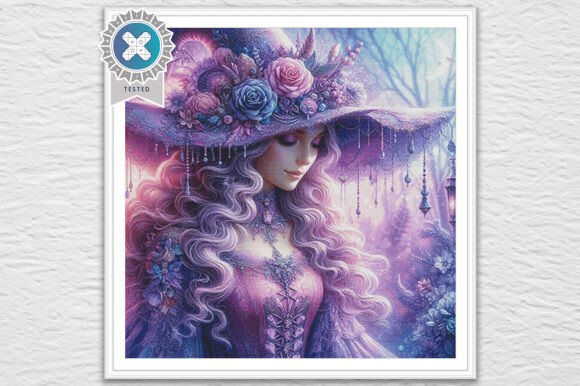
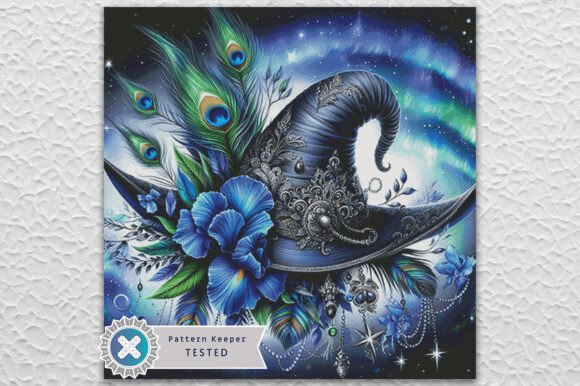
Upon reviewing the specifications, this Halloween Witch Hat Cross Stitch Pattern immediately presents itself as a premium, high-impact graphic rather than a quick weekend stitch. With a design size of 400w x 400h stitches and a requirement for 90 DMC thread colors, this is unequivocally a project for advanced stitchers. The visual impression is bold and immersive. Unlike minimalist line art or simple silhouettes, a full coverage design of this magnitude creates a tapestry-like effect that commands attention. For a craft fair booth, this level of complexity signals high value and artisanal quality to customers browsing for unique handmade products.
The sheer scale of the design suggests a mood that bridges traditional folklore with modern maker aesthetics. It does not feel like a cheap novelty item; instead, it carries the weight of heirloom needlework. For digital sellers and embroidery business owners, this distinction is vital. We are not selling a cartoon; we are selling a piece of textile art. This perception allows for higher price points on finished goods, provided the execution matches the intricacy of the pattern.
Evaluating Product Applications for Craft Fairs
When planning a table display featuring embroidered tote bags, aprons, tea towels, and pillow covers, the physical dimensions of the Halloween Witch Hat Cross Stitch Pattern dictate its best use cases. At 28.6 inches square on 14-count fabric, or 25 inches square on 16-count fabric, this design is massive. It cannot be treated as a small accent or pocket logo. Therefore, product selection must accommodate large-scale real estate.
- Statement Tote Bags: This is arguably the strongest candidate for a craft fair product. A market bag featuring this centered witch hat design serves as a walking billboard for your booth. The large canvas of a natural cotton tote provides the necessary background for the 90 thread colors to pop without competing with fabric texture.
- Decorative Pillow Covers: For home decor buyers, a full coverage cross stitch pillow is a seasonal centerpiece. The density of the stitches adds a tactile luxury that printed fabrics cannot replicate. This application justifies the time investment required for such a complex machine embroidery design or hand-stitched piece.
- Framed Textile Art: Given the advanced nature of the pattern, selling the finished piece as framed wall art may yield a higher return on investment than functional items. Customers often hesitate to use intricate needlework for daily chores, making wall decor a safer bet for preserving the integrity of the work.
Conversely, I would advise against using this specific Halloween Witch Hat Cross Stitch Pattern for curved surfaces like caps or small accessories like pouches. The stitch count and physical footprint are simply too large to wrap around a hat brim or fit onto a zipper pull without significant distortion or resizing, which could compromise the detail inherent in full coverage graphics.
Production Realities and Selling Points
For commercial embroidery and batch production, efficiency is key. However, this design challenges the standard "fast turnover" model. With 90 thread colors, hoop changes and thread trims will be frequent if utilizing a single-needle machine. Multi-needle machine users will find this more manageable, but the stitch density remains a factor. As a handmade shop owner, you must calculate whether the sale price covers the extended machine runtime and stabilizer costs.
From a sales perspective, the complexity is your greatest asset. In person, customers can see the interplay of threads that a printable mockup might miss. The visual depth created by full coverage stitching catches light differently than flat prints, drawing eyes across a crowded vendor hall. For online listings, macro photography is non-negotiable. You must showcase the texture to justify the premium pricing associated with advanced cross stitch patterns.
Critical Technical Considerations for Makers
Before committing this embroidery file to production, several technical factors require careful testing. Full coverage designs are dense. When stitching on tea towel embroidery blanks or linen aprons, the weight of the design can cause puckering or drag lines if stabilization is inadequate. I recommend testing on scrap fabric identical to your final product. Use a heavy-duty cut-away stabilizer and consider a topping for textured fabrics to prevent stitches from sinking into the weave.
Furthermore, verify your hoop size capabilities before purchasing or downloading. A 25-to-28-inch finished dimension exceeds the capacity of many standard commercial hoops. You may need to split the design or utilize a specialized large-format frame. If splitting is necessary, ensure your software handles alignment marks perfectly; a misaligned seam in the middle of a witch hat will ruin the professional finish expected by discerning buyers.
Color management is another hurdle. While the pattern calls for 90 DMC colors, monitor calibration varies. Always compare physical thread samples against the design chart. What looks like a subtle shadow gradient on screen might appear muddy or disjointed in actual thread. For dark fabric applications, ensure the design includes adequate underlay or lighter outline definitions so the motif doesn't disappear into the background.
Designer Notes for Successful Execution
To ensure this Halloween Witch Hat Cross Stitch Pattern becomes a profitable addition to your inventory, follow these professional guidelines:
- Create a Physical Mockup: Never rely solely on digital renderings for craft fair prep. Stitch out at least one complete sample to assess drape, weight, and color accuracy.
- Audit Fabric Compatibility: Avoid loosely woven fabrics that cannot support the stitch density. Opt for tight-weave linens, canvas, or dedicated cross stitch fabrics.
- Check Licensing Terms: Before listing finished products on Etsy or at markets, confirm the commercial licensing for this specific digital embroidery file. Some designers restrict full coverage patterns to personal use only.
- Plan Your Display: Because this design is large and detailed, ensure your booth lighting is sufficient. Shadows can obscure the intricate color blending that makes full coverage special.
- Educate Your Customer: Include tags or signage explaining the stitch count and time invested. Buyers appreciate the craftsmanship more when they understand the "advanced stitcher" effort involved.
Ultimately, the Halloween Witch Hat Cross Stitch Pattern offers a fantastic opportunity for makers to showcase elite skill levels. By respecting the technical demands of full coverage graphics and selecting appropriate products like statement totes or heirloom pillows, you can transform this digital asset into a standout seller for the spooky season. Whether you are a seasoned commercial embroiderer or a passionate hobbyist turning pro, this design demands patience but rewards with undeniable market presence.