Sea Turtle Cross Stitch Pattern PDF Review
As a professional embroidery designer and small business owner, I approach every new digital asset with a critical eye. When sourcing Creative Fabrica embroidery files for commercial projects or personal commissions, the difference between a generic graphic and a viable production asset often lies in the technical specifications. Recently, I evaluated the Sea Turtle Cross Stitch Pattern PDF to determine its suitability for real-world application. This is not merely a decorative image; it is a comprehensive full-coverage chart intended for advanced stitchers. My review focuses on translating this specific cross stitch data into tangible value for handmade shop owners, Etsy sellers, and apparel decorators looking to expand their marine-life inventory.
Technical Specifications and Design Integrity
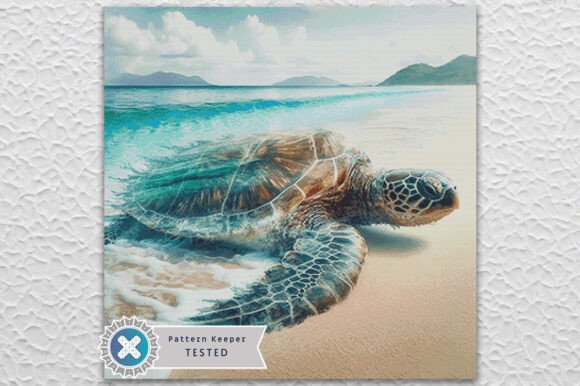
Before threading a needle or setting up a production run, we must address the raw data. The Sea Turtle Cross Stitch Pattern PDF is defined by significant dimensions: 350w x 350h stitches. For those of us accustomed to standard machine embroidery designs that fit within a 4x4 hoop, this scale requires careful planning. On 14-count fabric, the finished dimension reaches 25w x 25h inches (63.5cm). On 16-count fabric, it measures approximately 21.9w x 21.9h inches. This is a substantial piece of textile art, not a quick accent motif.
The design utilizes 60 distinct DMC thread colors. In the context of cross stitch patterns, this color count indicates high-fidelity shading and realistic depth rather than flat, cartoonish graphics. For a designer, this complexity suggests the final product will have a premium, tapestry-like quality. However, it also signals that this is strictly an "Advanced Stitcher" asset. If you are sourcing this for a beginner-level kit in your Etsy shop, you may need to provide extensive guidance or simplify the palette. Conversely, for selling finished wall art or heirloom textiles, this density justifies a higher price point due to the labor and material investment involved.
Evaluating Commercial Viability for Handmade Products
When considering this pattern for a handmade product line, the sheer size dictates the application. You cannot simply place a 25-inch square design on a standard baby bib or pocket patch. Instead, the Sea Turtle Cross Stitch Pattern PDF excels as a centerpiece for larger goods. I envision this working beautifully for nursery decor, specifically as a framed statement piece above a crib or changing table. The marine theme aligns perfectly with coastal nursery aesthetics, and the full-coverage nature ensures there are no awkward empty spaces in the visual field.
For apparel decorators, direct stitching of this full pattern onto a sweatshirt or tote bag is likely impractical due to weight and stiffness. A 350-stitch width creates a dense fabric layer that could distort lightweight garments. However, creative entrepreneurs can adapt this asset. Consider extracting specific elements of the turtle—perhaps just the head or a flipper—to create a smaller, manageable tote bag design or sweatshirt embroidery placement. Alternatively, use the full pattern to create a large embroidered pillow cover where the fabric weight can support the density. Always verify if the license allows for modification or element extraction before altering the original digital embroidery file structure for commercial sale.
Practical Production Notes and Material Selection
Working with a 60-color palette requires rigorous organization. In my studio, when handling complex Cross Stitch Patterns, I pre-sort threads and label bobbins to prevent costly errors mid-project. For this sea turtle design, color blending is key to achieving the organic look of shell scales and water. I recommend testing your top five most similar shades on scrap fabric first. Lighting conditions in product photography can flatten subtle variegations, so ensure your thread choices maintain contrast even in dimmer indoor settings.
Stabilization is non-negotiable for projects of this magnitude. If you are adapting this hand-stitch pattern concept into a machine-hybrid workflow or simply framing the finished hand-stitched piece, the fabric tension must be perfect. For 14-count Aida or linen, use a heavy-duty stabilizer if mounting in a hoop for display to prevent warping over time. If creating a personalized gift like a blanket, consider backing the stitched area with cotton batting to protect the reverse side threads and add structural integrity. Remember, a 25-inch finished piece is heavy; standard plastic hoops may bow, so opt for hardwood frames or professional stretching services for client deliverables.
Enhancing Brand Value and Customer Trust
In the competitive landscape of Etsy listings and craft fairs, presentation separates hobbyists from professionals. Using a sophisticated asset like the Sea Turtle Cross Stitch Pattern PDF signals to buyers that you offer high-complexity work. When listing finished items derived from this pattern, transparency builds trust. Clearly state the stitch count, the number of colors used, and the hours invested. This educates the buyer on why a full-coverage piece commands a premium compared to a simple outline applique design.
Furthermore, utilize the PDF itself as a marketing tool. If you sell the physical kit or the finished art, include high-quality macro shots showing the interplay of the 60 colors. Create a printable mockup or digital render to show customers how the 25-inch piece looks in a styled room setting before they purchase. This helps bridge the gap between a digital file and a tangible home decor item. For those selling the pattern digitally, ensure your listing photos accurately represent the difficulty level to reduce returns or negative feedback from novices who underestimate a 350x350 grid.
Licensing and Ethical Business Practices
As creative entrepreneurs, we must respect intellectual property. Before listing any product featuring the Sea Turtle Cross Stitch Pattern PDF, meticulously review the licensing terms on the Creative Fabrica product page. Licenses vary; some allow unlimited sales of finished physical products but prohibit sharing the digital file or selling mass-produced factory items. Never assume a "commercial license" covers every scenario. If you plan to use this design for commercial embroidery at scale, confirm whether attribution is required or if there is a cap on unit sales.
Additionally, distinguish clearly between hand cross stitch and machine embroidery in your marketing. While we discuss embroidery files and stitch density in general terms, this specific product is a PDF chart for hand stitching. Mislabeling it as a PES or DST machine file will lead to customer dissatisfaction. If you are digitizing this chart for machine use, treat it as a new creation requiring its own testing for fill stitch direction, satin stitch borders, and jump stitch minimization. The PDF serves as the blueprint, but the execution method defines the final product category.
Final Verdict for Designers and Makers
The Sea Turtle Cross Stitch Pattern PDF is a robust asset for the serious maker. Its 350x350 stitch count and 60-color depth make it unsuitable for quick-turnaround trinkets but ideal for heirloom-quality goods and high-ticket wall art. It demands patience, proper stabilization, and respectful licensing adherence. For the experienced embroiderer willing to invest the time, this pattern offers a pathway to creating distinctive, high-value marine-themed products that stand out in a saturated market. Whether you are crafting a bespoke nursery centerpiece or curating a premium kit collection, this design provides the technical foundation necessary for professional results. Always test, always verify license terms, and let the complexity of the design justify the value of your finished work.