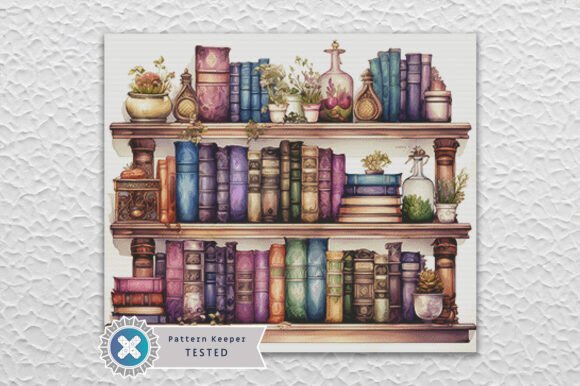
Bookshelf Plants Cross Stitch Pattern Review
As a professional embroidery designer specializing in commercial merchandise and brand identity, I approach every new graphic with a critical eye toward production viability. When evaluating the Bookshelf Plants Cross Stitch Pattern for small business use, my primary concern is not just aesthetic appeal, but how this digital embroidery file translates from screen to fabric in a high-volume or boutique manufacturing environment. This design presents a unique opportunity for businesses in the botanical, literary, café, and handmade sectors, but its complexity requires strategic application to ensure professional results.
Visual Personality and Brand Alignment
The first impression of the Bookshelf Plants Cross Stitch Pattern is one of curated warmth and intellectual charm. It strikes a balance between rustic nostalgia and modern cottage-core aesthetics. For a small business owner, this visual language communicates trust, patience, and attention to detail. Unlike generic clip art, this full coverage cross stitch pattern suggests a dedication to craft that resonates deeply with customers seeking authentic, handmade products.
From a branding perspective, this design serves as an excellent anchor for businesses that want to project an organic, welcoming atmosphere. A local bookstore, plant nursery, artisan bakery, or creative studio could leverage this imagery to reinforce their niche. The intricate nature of the bookshelf and flora elements signals premium quality rather than mass production. However, because it utilizes 105 DMC colors, the visual density is high. This makes it feel luxurious and established, but it also demands that the surrounding brand assets match this level of sophistication to maintain visual consistency across your product line.
Commercial Applications for Merchandise
When adapting Cross Stitch Patterns for commercial embroidery, we must look beyond wall art. The Bookshelf Plants Cross Stitch Pattern has significant potential as a centerpiece for branded merchandise, provided the application matches the design's scale.
- Tote Bag Design: This is arguably the strongest commercial application. With finished dimensions on 14 count fabric reaching 25w x 21.5h inches, the design offers ample coverage for canvas shoppers. The large format allows the 105 thread colors to blend beautifully, creating a painterly effect that elevates a simple tote into a premium retail item.
- Apron Embroidery: For cafés and florists, this pattern works exceptionally well as a back-panel feature or a large chest piece on heavy-duty canvas aprons. The botanical theme aligns perfectly with service industries that value natural ingredients or materials.
- Staff Uniforms and Work Shirts: While too large for a standard left-chest logo, this design could serve as a bold statement on the back of staff t-shirts or denim jackets. It transforms employee apparel into walking advertisements that feel like collectible art rather than corporate wear.
- Boutique Product Packaging: Consider using a section of this machine embroidery design as a decorative accent on reusable packaging or gift wraps. Even if you cannot use the full 350w x 300h stitch count design due to space, the motif itself carries strong brand recognition.
Production Constraints and Technical Limitations
As an experienced designer, I must emphasize where caution is required. The Bookshelf Plants Cross Stitch Pattern is classified as "Full Coverage" and intended for "Advanced Stitchers." In a commercial embroidery context, this translates to high stitch density and significant production time.
Size and Scaling Challenges
The specified design size of 350w x 300h stitches creates a substantial footprint. On 16 count fabric, the width is approximately 21.9 inches. You cannot simply shrink this digital embroidery file down to fit a 3-inch cap front or a small sleeve cuff without losing critical definition. Full coverage patterns rely on color blending; reducing them drastically often results in muddy details and lost contrast. If you require small patches or cap embroidery, you must verify if a simplified version exists or be prepared to manually digitize a reduced element from the original Graphics file.
Fabric Texture and Stabilizer Requirements
Due to the sheer volume of stitches involved in a full coverage design, fabric choice is non-negotiable. Lightweight linens or standard cotton t-shirts may buckle under the weight of 105 thread colors. For custom apparel and tote bag design, I recommend using heavier substrates like denim, canvas, or upholstery-weight linen. Proper stabilizer usage is mandatory; a cutaway stabilizer with adequate backing will prevent puckering and ensure the finished product remains flat and professional after washing.
Washability and Durability
For items requiring frequent laundering, such as aprons or uniforms, test the stitch density first. High-density cross stitch can be abrasive against delicate fabrics over time. Ensure your commercial embroidery machine tension is perfectly calibrated to prevent thread breaks during long run times. Always confirm the colorfastness of your threads, as a design with this many color changes increases the risk of dye bleeding if inferior materials are used.
Impact on Customer Trust and Perceived Value
In the handmade market, customers equate complexity with value. Utilizing the Bookshelf Plants Cross Stitch Pattern demonstrates that your business invests in high-quality design assets rather than settling for free, low-resolution alternatives. This directly influences buyer engagement and perceived worth.
When a customer sees a fully stitched, multi-colored botanical shelf on a tote bag or apron, they perceive hours of labor and artistic intent. This supports higher price points and fosters emotional connection. For Etsy sellers and independent brands, this type of detailed work differentiates your shop from competitors using basic text logos. It reinforces a narrative of craftsmanship that is essential for building long-term brand loyalty.
Designer Notes for Pre-Production Testing
Before committing to a full production run using this embroidery file, follow this professional testing protocol to protect your investment and reputation:
- Create a Printable Mockup: Before stitching, place the design digitally onto photos of your actual merchandise. Verify that the 25w x 21.5h inch dimensions (on 14 count) do not overwhelm the product or interfere with seams, pockets, or handles.
- Test in Black and White: Print the pattern in grayscale to evaluate value contrast. With 105 colors, it is easy to lose separation between similar shades. If the design looks muddy in black and white, it will lack definition in thread.
- Verify Hoop Size Compatibility: Confirm your machine can accommodate the full dimensions in a single hooping. If re-hooping is necessary, plan your alignment marks meticulously to avoid visible join lines in the final product.
- Stitch Out a Sample: Never skip the test stitch-out. Use the exact fabric and stabilizer combination intended for the final product. Inspect the registration of fine details and check for fabric distortion.
- Confirm Commercial Licensing: As this is a specific pattern for advanced stitchers, review the license terms carefully. Ensure you have the rights to sell finished products featuring this design. Intellectual property compliance is as important as stitch quality in professional business operations.
- Evaluate Thread Inventory: Managing 105 DMC colors requires logistical planning. Ensure you have sufficient stock of each shade before starting a batch order to avoid color lot variations mid-production.
The Bookshelf Plants Cross Stitch Pattern is a powerful asset for businesses ready to embrace complex, high-value aesthetics. By respecting its technical requirements and applying it to appropriate merchandise, small business owners can create stunning, professional-grade products that truly stand out in a crowded marketplace.